Dog Dental Care · 9 min
Vet Approved Dental Chews for Dogs: What the VOHC Seal Means and Which Chews Actually Pass
Learn what the VOHC seal means, which dental chews are vet-approved for dogs, and how to choose, size, and use them safely. Backed by clinical science, not marketing.
Introduction
When you see "vet approved" on a bag of dental chews, it is easy to assume that means something specific — that a panel of veterinarians reviewed the product and signed off on it. In reality, the phrase is used loosely in pet marketing, and the only independent, science-based endorsement that actually carries weight is the VOHC Seal of Acceptance from the Veterinary Oral Health Council. If you are shopping for vet approved dental chews for dogs, that seal is the single most reliable signal that a product does what it claims.
This guide breaks down exactly what the VOHC seal means (and what it does not), which dental chews have earned it, how to size them correctly, and how to layer chews into a broader dental care routine that actually prevents plaque and gum disease. For a deeper dive into product comparison and shopping strategy, grab our Smart Pet Dental Shopper's Handbook.
What the VOHC Seal Actually Means (and What It Doesn't)
The Veterinary Oral Health Council (VOHC) was established in 1997 within the American Veterinary Dental College to provide an independent review system for pet dental products. The council is made up of board-certified veterinary dentists who evaluate whether products effectively reduce plaque and tartar in dogs and cats. To earn the seal, a manufacturer must conduct at least two separate clinical trials following strict VOHC protocols and submit the data for expert review. The standard requires a minimum 15% reduction in plaque or tartar in each individual trial and a minimum 20% mean reduction across both trials, with statistical significance (p<0.05) in each trial. Crucially, the VOHC does not test products itself — manufacturers fund and conduct the trials, then submit results. The seal is awarded in two categories: "Helps Control Plaque" and "Helps Control Tartar." Some products earn both. What the seal does not cover is safety. The VOHC explicitly states it is not a regulatory body and makes no guarantees about product safety. That means a VOHC-accepted chew could still pose choking or obstruction risks if used incorrectly. For more on how chews fit into a full dental routine, see our guide to building a daily dental hygiene routine.
VOHC-Accepted Dental Chews: The Verified List
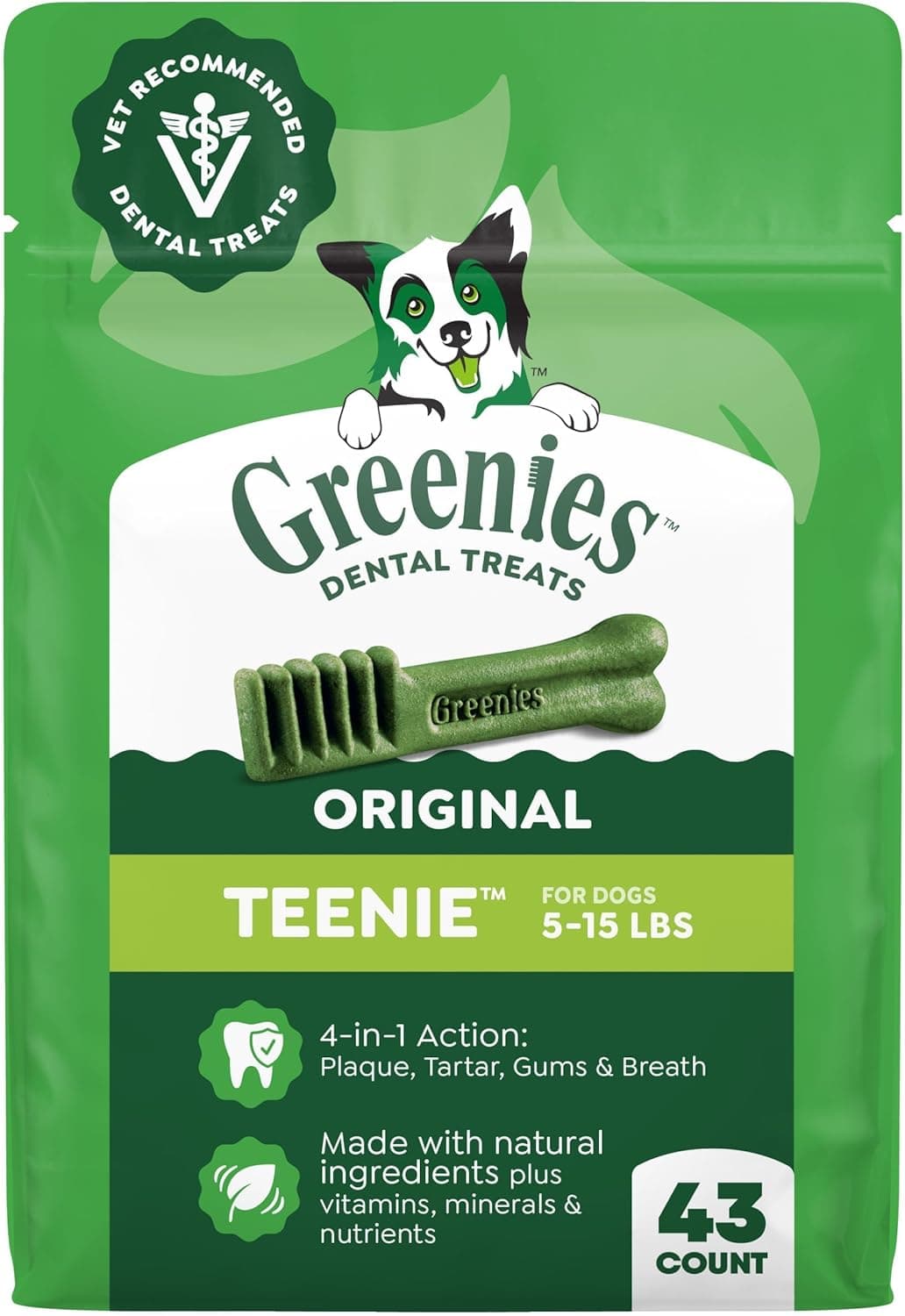
As of the VOHC's most recent update (May 2026), here are the edible chew treats for dogs that carry the seal. Greenies Original Dental Treats (five sizes, awarded 2007) hold dual acceptance for both plaque and tartar control — they remain the most widely vet-recommended dental chew on the market. You can find them on Amazon or directly via our Greenies Teenie review page. WHIMZEES Brushzees (Wellness Pet, 2019) are VOHC-accepted for plaque and tartar and are grain-free and vegetarian — a strong option for dogs with protein sensitivities. OraVet Dental Hygiene Chews (Boehringer Ingelheim, 2016) are accepted for tartar control and contain delmopinol, a chemical agent that creates a barrier preventing bacteria from adhering to teeth. C.E.T. VEGGIEDENT chews (Virbac, 2020) come in three formulations (FR3SH, Zen, Flex) and carry dual plaque/tartar acceptance. Other accepted products include Pedigree Dentastix Advanced (plaque and tartar, 2018), Hill's Science Diet Oral Care Chews (plaque and tartar, 2017), Purina DentaLife (tartar, 2016), Milk-Bone Brushing Chews (tartar, 2014), ProDen PlaqueOff Dental Bites (plaque and tartar, 2017), and Blue Buffalo Dental Chews (tartar, 2025). The full and current list is always available at vohc.org/accepted-products. For a detailed comparison of Greenies sizes and pricing, see our Greenies buyer's guide.
How to Size a Dental Chew Correctly
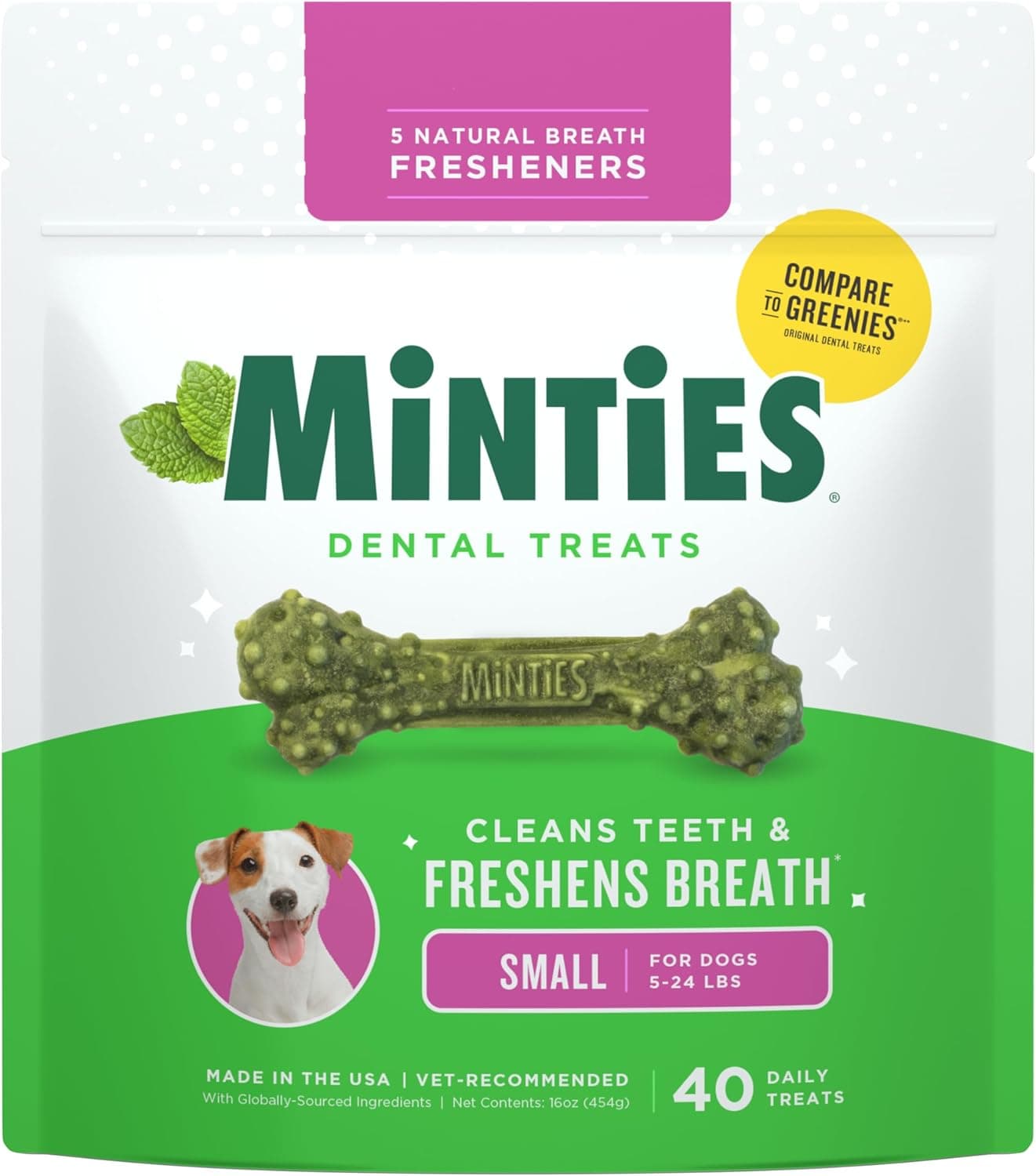
Sizing is not a suggestion — it is a safety requirement. Every VOHC-accepted dental chew comes in multiple sizes calibrated to a dog's body weight, and feeding the wrong size is one of the most common causes of choking and esophageal obstruction. For example, Greenies Teenie size is designed for dogs 5–15 lbs, Petite for 15–25 lbs, Regular for 25–50 lbs, Large for 50–100 lbs, and Jumbo for over 100 lbs. If you have a small or toy breed, the Greenies Teenie 43-count is the appropriate starting point. For budget-conscious owners of small dogs, Minties Dental Bone Treats in Tiny/Small are formulated for dogs 5–39 lbs — though note that Minties do not carry the VOHC seal. Always check the weight range printed on the package, not just the size name, since sizing conventions vary between brands. If your dog is between sizes, size up rather than down — a chew that is slightly too large is far safer than one that is too small and can be swallowed whole. For dogs who are aggressive chewers or "gulpers," consider breaking the chew in half or consulting your vet about whether a dental chew is appropriate at all. Learn more about what professional dental cleaning involves and how chews complement it.
Safety Risks Every Dog Owner Should Know
Dental chews are generally safe when used as directed, but they are not risk-free. A study published in the Journal of the American Veterinary Medical Association documented 31 cases of esophageal foreign body obstruction caused by dental chew treats, with 83.9% occurring in small dogs and an overall mortality rate of 25.8%. The dogs most at risk were small breeds and dogs that swallowed large pieces without adequate chewing. Beyond obstruction, other documented risks include tooth fractures from overly hard chews, gastrointestinal upset from ingredient intolerances, and excess caloric intake — veterinary nutritionists recommend that treats should not exceed 10% of a dog's daily caloric needs. The Today's Veterinary Practice review emphasizes that veterinarians should base chew selection on the individual patient's size, chewing behavior, and diet. Practical safety rules: always supervise your dog while they have a chew, discard pieces that become small enough to swallow whole, provide fresh water, and never give a chew to a dog that is lying down or distracted. If your dog has a history of GI obstruction, food allergies, or aggressive chewing behavior, talk to your vet before introducing any dental chew. For dogs with severe dental disease, chews alone are not sufficient — read our breakdown of dental disease treatment stages and vet procedures.
Beyond Chews: Building a Layered Dental Routine
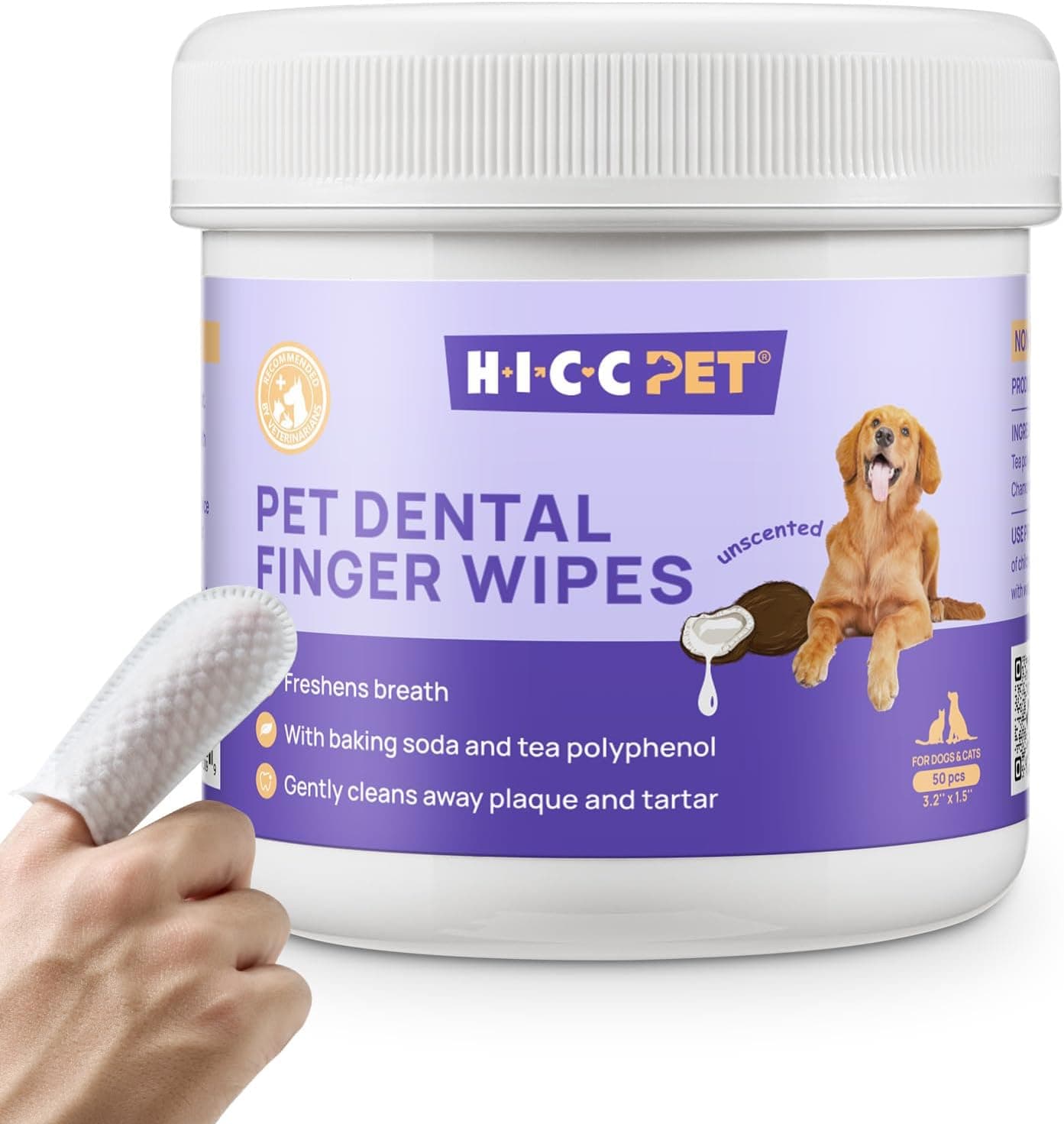
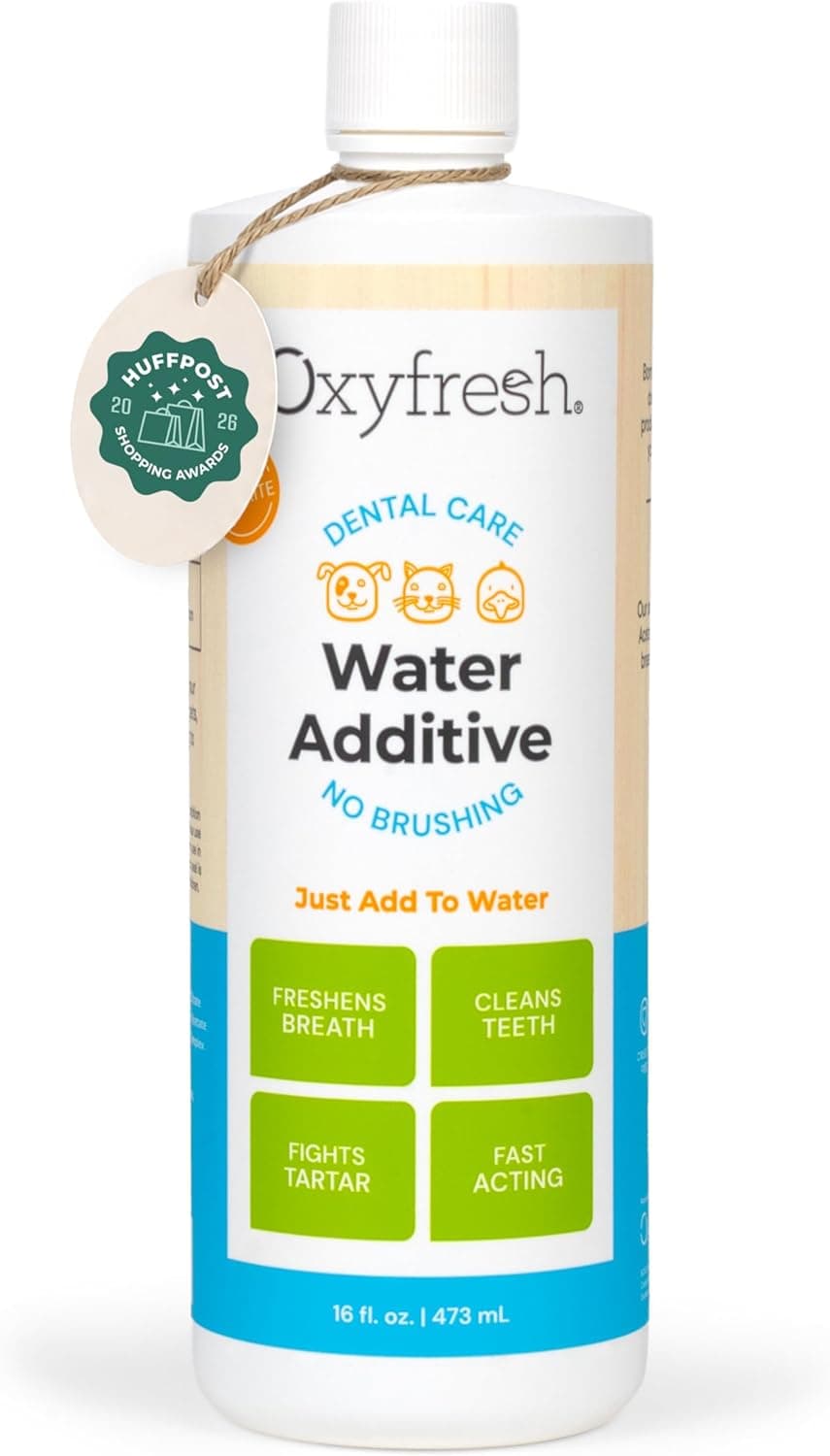
No single dental chew — even a VOHC-accepted one — is enough to fully protect your dog's oral health on its own. Veterinary dentists recommend a layered approach. Start with daily toothbrushing using a vet-approved toothpaste, which remains the gold standard for plaque removal. If your dog refuses brushing, HICC Pet Teeth Cleaning Wipes offer a gentler alternative that still provides mechanical cleaning along the gumline. Layer in a VOHC-accepted dental chew once daily for additional mechanical and chemical plaque reduction. You can also add a water additive to the routine — while Oxyfresh Premium Pet Dental Care Solution is veterinarian-recommended and uses stabilized chlorine dioxide to neutralize bacteria, it is worth noting that Oxyfresh does not currently carry the VOHC seal. If VOHC acceptance for a water additive is important to you, TropiClean Fresh Breath Dental Water Additive is VOHC-accepted for plaque control. Finally, schedule annual or biannual professional cleanings under anesthesia — chews reduce accumulation between cleanings but cannot remove existing tartar. For cost expectations, see our 2026 dog teeth cleaning cost breakdown. Stacking these methods — brushing, chews, water additive, and professional care — gives you the best chance of preventing periodontal disease.
What About Chews Without the VOHC Seal?
Not every effective dental chew carries the VOHC seal, and the absence of the seal does not necessarily mean a product is useless. The VOHC process is voluntary and requires manufacturers to fund clinical trials, which can be expensive — some smaller brands simply have not pursued it. However, without the seal, you have no independent verification that the product reduces plaque or tartar. Products like Minties Dental Bone Treats use natural breath fresheners (alfalfa, peppermint, parsley, fennel, dill) and a textured surface designed to scrub teeth, and they are marketed as veterinarian-recommended — but without VOHC trial data, claims about plaque and tartar reduction are unverified. When evaluating a non-VOHC chew, look for: transparent ingredient lists, calorie content labeling, clear sizing by body weight, and manufacturing in countries with strong pet food safety regulations (USA, Canada, EU). Be skeptical of vague claims like "cleans teeth" or "vet approved" with no supporting data. If budget is a concern, a non-VOHC chew used daily is better than nothing — but if you want proven efficacy, stick with products on the VOHC accepted list. For help evaluating dental products like a pro, our Smart Pet Dental Shopper's Handbook walks you through ingredient analysis, label decoding, and value comparisons.
Frequently asked questions
▶What does VOHC accepted mean for dog dental chews?
The VOHC (Veterinary Oral Health Council) Seal of Acceptance means a product has undergone at least two clinical trials demonstrating a minimum 15% reduction in plaque or tartar in each trial and a 20% mean reduction across both trials, with statistical significance. The VOHC does not test products itself — manufacturers submit trial data for review by board-certified veterinary dentists. The seal indicates proven dental efficacy but does not evaluate or guarantee product safety.
▶Are Greenies VOHC approved?
Yes. Canine Greenies Original Dental Treats have held VOHC acceptance for both plaque and tartar control since 2007. Greenies also has VOHC-accepted variants including Weight Management (2008), Hip and Joint Care (2014), Grain-Free (2014), Aging Care (2019), and Puppy Dental Chews (2019). They are available in five sizes from Teenie (5–15 lbs) to Jumbo (100+ lbs).
▶Can dental chews replace brushing my dog's teeth?
No. Veterinary dentists consistently recommend daily toothbrushing as the gold standard for plaque removal. Dental chews are a valuable supplement that reduces plaque and tartar accumulation between brushings and professional cleanings, but they cannot reach all tooth surfaces effectively. A layered approach — brushing, chews, water additive, and regular professional cleanings — provides the best protection against periodontal disease.
▶Are dental chews safe for small dogs?
Dental chews can be safe for small dogs when properly sized and supervised. However, small dogs are at higher risk for esophageal obstruction — a JAVMA study found 83.9% of dental chew obstructions occurred in small breeds. Always choose the correct size for your dog's weight, supervise chewing, discard small pieces, and avoid giving chews to dogs that gulp rather than chew thoroughly. Consult your vet if your dog has a history of GI issues.
▶How many dental chews can I give my dog per day?
Most VOHC-accepted dental chews are designed to be given once daily. Because dental chews are treats and contribute calories, veterinary nutritionists recommend they should not exceed 10% of your dog's daily caloric intake. Check the calorie content on the package and adjust your dog's regular food accordingly to prevent weight gain.
▶Do Minties or Oxyfresh have the VOHC seal?
No. As of the VOHC's most recent accepted products list (updated May 2026), neither Minties Dental Bone Treats nor Oxyfresh Premium Pet Dental Care Solution Water Additive carry the VOHC Seal of Acceptance. Both products are marketed as veterinarian-recommended, but they have not submitted clinical trial data meeting VOHC standards for plaque or tartar reduction. If VOHC verification is important to you, consider VOHC-accepted alternatives like Greenies (for chews) or TropiClean Fresh Breath (for water additive).