Dog Dental Care · 9 min read
Professional Dental Cleaning for Dogs: What Happens, How to Prepare, and What to Expect at Home
Learn what happens during a professional dental cleaning for dogs, anesthesia safety, how to prepare, recovery timeline, and how to maintain results at home.
Introduction
If your veterinarian has recommended a professional dental cleaning for dogs, you probably have questions about what the procedure involves, whether anesthesia is safe, and how to help your dog recover smoothly. A professional cleaning is very different from brushing at home — it is a comprehensive medical procedure performed under general anesthesia that allows your veterinary team to examine every tooth, take dental X-rays, and remove plaque and tartar both above and below the gumline.
This guide walks you through the entire process from start to finish: what happens during the procedure, how to prepare your dog, what recovery looks like at home, and how to maintain those clean teeth between professional visits. For a broader overview of at-home dental care strategies, see our complete dog dental care guide. If your dog is already showing signs of dental disease, our article on dog dental disease treatment stages and recovery can help you understand where your dog might be in the disease process.
What Is a Professional Dental Cleaning for Dogs?
A professional dental cleaning — sometimes called a dental prophylaxis or COHAT (Comprehensive Oral Health Assessment and Treatment) — is a thorough medical procedure performed under general anesthesia. According to VCA Animal Hospitals, the visit includes a detailed dental examination, tooth scaling above and below the gumline, and polishing to remove the plaque and tartar that cause periodontal disease. The American Animal Hospital Association (AAHA) emphasizes that general anesthesia with endotracheal intubation is necessary for dental procedures because it allows for a complete oral exam, subgingival cleaning, dental X-rays, and any needed extractions — none of which can be safely or effectively performed on a conscious dog. Without anesthesia, only the visible tartar above the gumline can be removed, which AAHA describes as "purely cosmetic and ineffective to treat disease." A professional cleaning is not the same as an awake scaling at a groomer; it is a diagnostic and therapeutic procedure that addresses disease both visible and hidden below the gumline, where approximately 60% of each tooth structure lies.
Is Anesthesia Safe for Dog Dental Cleanings?
Fear of anesthesia is the most common reason pet owners delay or decline dental procedures, according to AAHA's dental care guidelines. However, AAHA states that the risks of anesthesia in healthy or minimally compromised patients are very low when performed by appropriately trained veterinary professionals. To maximize safety, your veterinary team takes several precautions. Pre-anesthetic bloodwork evaluates kidney and liver function, which influence how your dog metabolizes anesthesia. On the morning of the procedure, a veterinarian performs a physical exam to check heart and lung function. During the procedure, a dedicated team member continuously monitors vital signs including heart rate, blood pressure, oxygen saturation, respiratory rate, body temperature, and end-tidal carbon dioxide. An IV catheter provides direct access for fluids and emergency medications if needed, and an endotracheal tube protects your dog's airway from water and debris. AAHA explicitly does not recommend anesthesia-free dentistry, noting it can be physically and mentally harmful and does not allow for effective treatment of dental disease. For senior dogs or those with health conditions, your vet may recommend additional diagnostics such as chest X-rays or cardiac evaluation before proceeding.
How to Prepare Your Dog for a Dental Cleaning
Preparation typically begins days before the procedure. Your veterinarian will likely schedule pre-anesthetic bloodwork — usually a complete blood count and chemistry panel — to screen for conditions that could affect anesthesia safety. According to AAHA's preanesthetic guidelines, a physical exam should be completed within 12–24 hours before anesthesia, and laboratory values from within the prior 3–6 months are generally acceptable if the patient is clinically healthy. Your vet will provide specific fasting instructions, typically requiring no food after midnight the night before — usually a 12-hour fast — to reduce the risk of vomiting and aspiration during anesthesia. Water may be allowed until the morning of the appointment, but always confirm this with your clinic. If your dog takes medications, ask whether to continue or pause them before the procedure. If there is active dental infection, your vet may prescribe antibiotics several days beforehand. Most importantly, make sure your veterinarian has a reliable phone number to reach you during the procedure in case they discover additional problems that require treatment, such as teeth needing extraction.
What Happens During the Procedure: Step by Step
Once your dog is admitted and the pre-anesthetic exam is complete, the procedure follows a structured sequence. First, a sedative is administered to help your dog relax, followed by induction of general anesthesia through an IV catheter. A breathing tube (endotracheal tube) is placed to maintain an open airway and deliver anesthetic gas. According to Banfield Pet Hospital, the team then continuously monitors your dog's vitals throughout the procedure. Next, full-mouth dental X-rays are taken — this is considered one of the most important steps because many dental problems are hidden below the gumline and cannot be seen during a visual exam. The veterinarian then performs a tooth-by-tooth oral exam, using a dental probe to measure periodontal pocket depths (normal in dogs is 1–3 mm). After charting, both ultrasonic and hand scalers are used to remove plaque and tartar from above and below the gumline — subgingival scaling is where much of the therapeutic benefit occurs. Each tooth is then polished to smooth microscopic scratches in the enamel, which helps slow future plaque accumulation. If diseased teeth are found, extractions or other treatments may be performed during the same anesthetic event, and your vet will contact you to discuss findings.
Recovery: What to Expect at Home After a Dental Cleaning
Most dogs go home the same day, typically within a few hours of the procedure concluding. According to veterinary discharge guidance from SpectrumCare, mild grogginess is normal the evening after anesthesia, and some dogs may be slightly nauseated or less interested in food that night — this usually improves by the next morning. For a routine cleaning without extractions, most dogs are back to their normal energy and eating habits within 24 hours. If your dog had extractions or oral surgery, recovery takes longer: expect 2–5 days of quieter activity, soft food, and prescribed pain medication. Complete healing of extraction sites can take 3–6 weeks, though most dogs adapt to eating within days. Your vet will provide specific discharge instructions, which may include feeding softened kibble or canned food, avoiding hard chews and toys, administering medications as directed, and watching for warning signs. Contact your vet promptly if your dog refuses to eat for more than 24 hours, vomits repeatedly, shows worsening swelling or bad breath, has persistent bleeding from the mouth, or seems unusually lethargic. Do not restart brushing or dental chews until your veterinarian confirms the mouth has healed sufficiently.
Maintaining Results Between Professional Cleanings
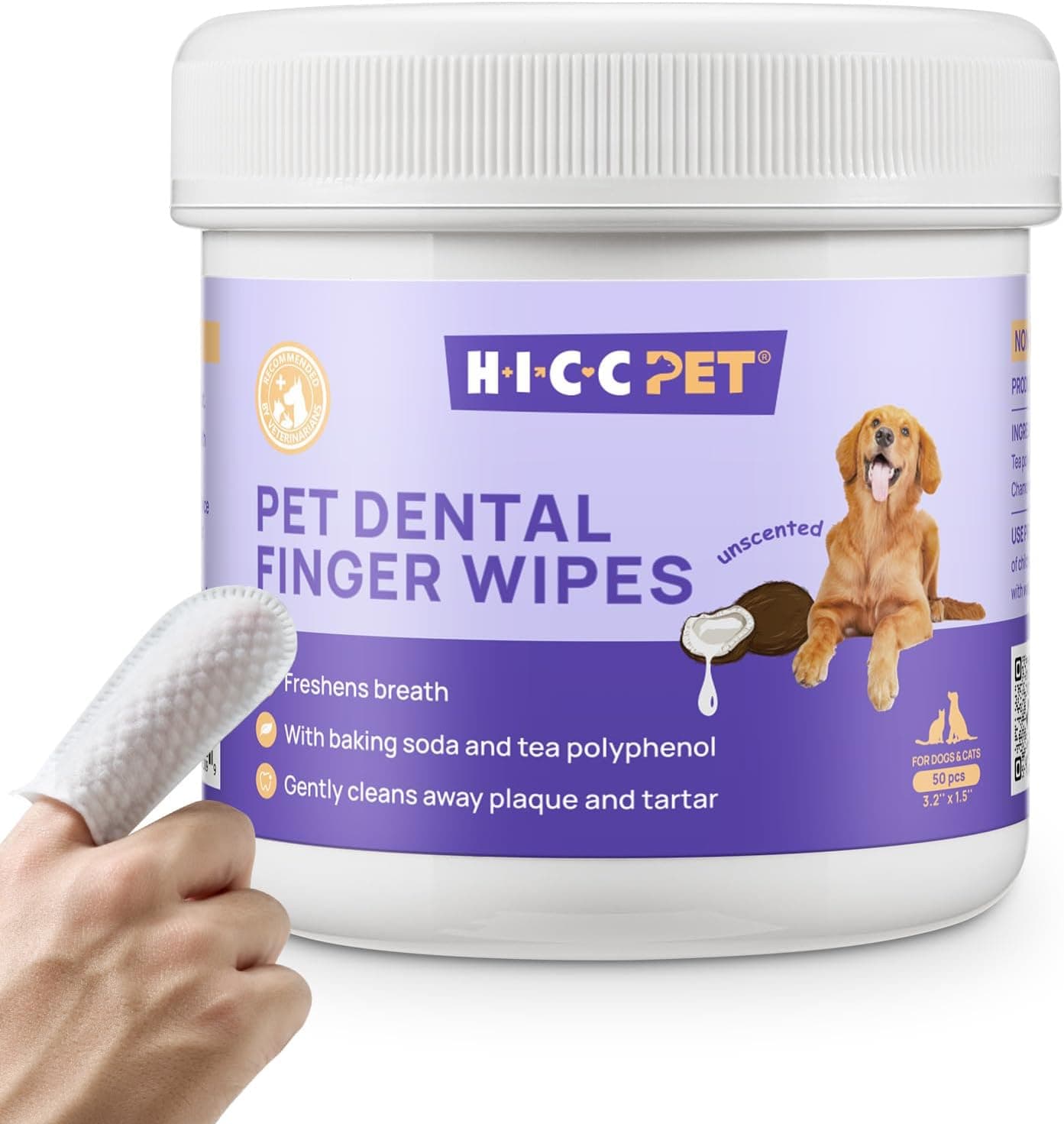
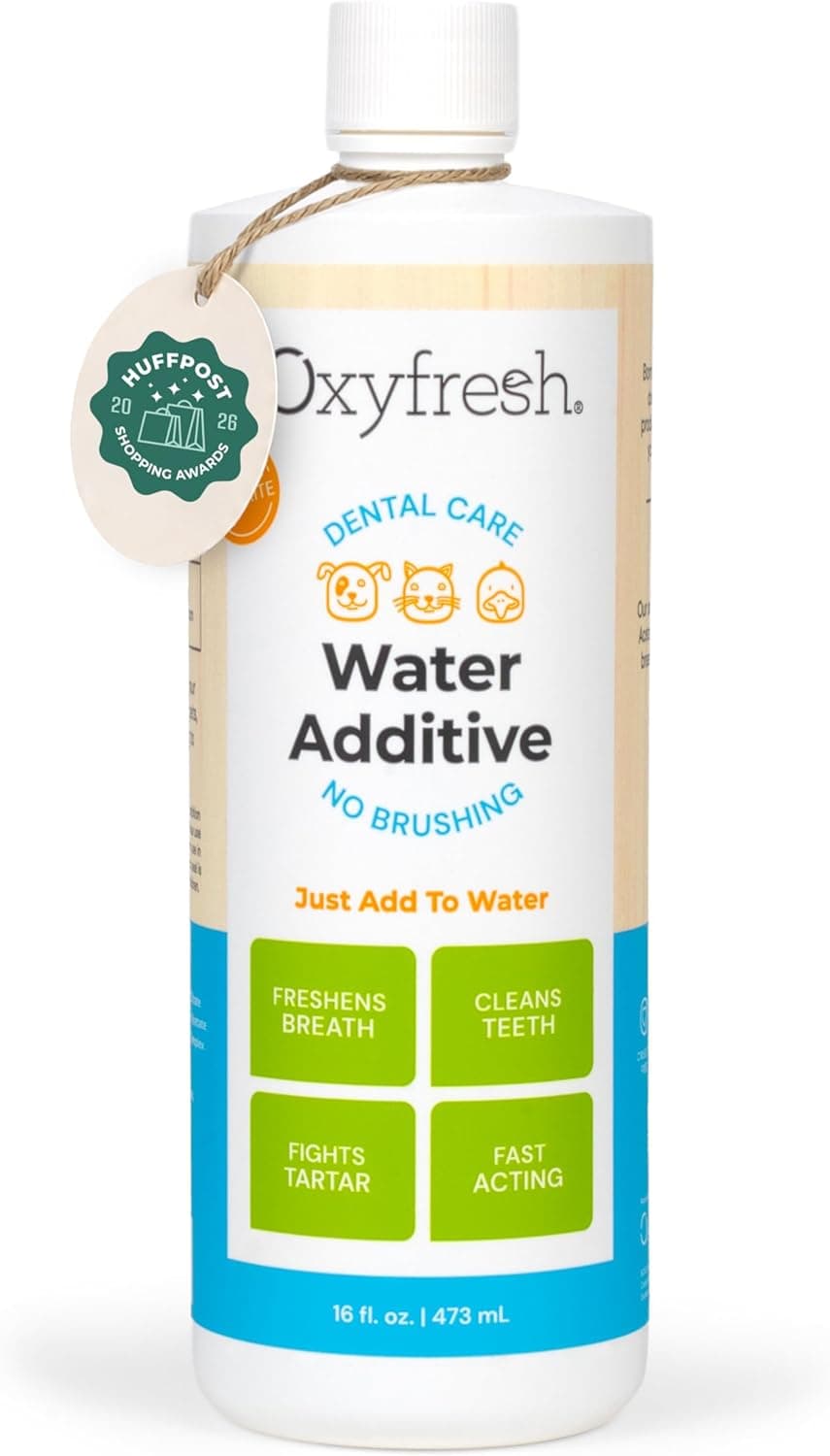
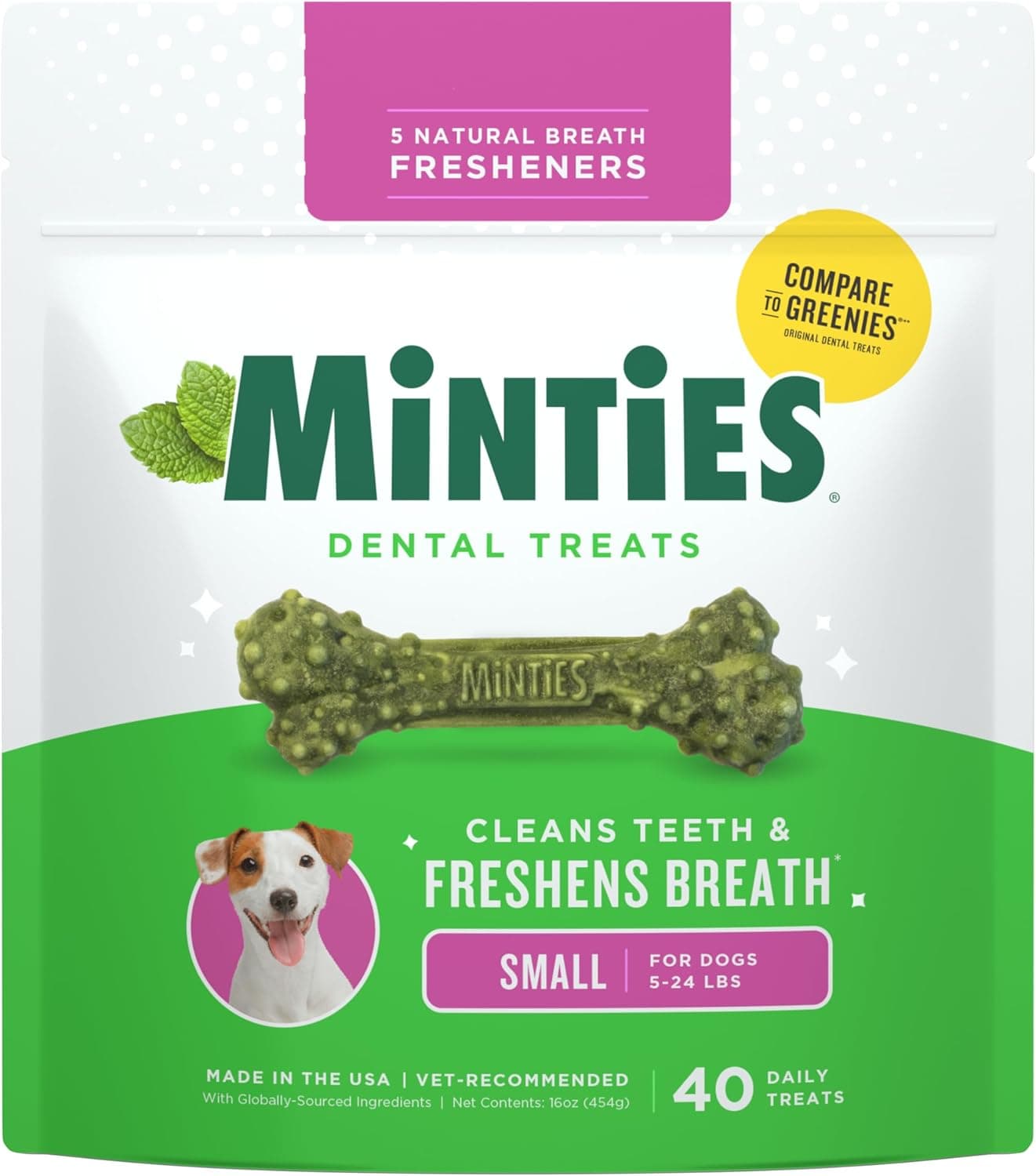
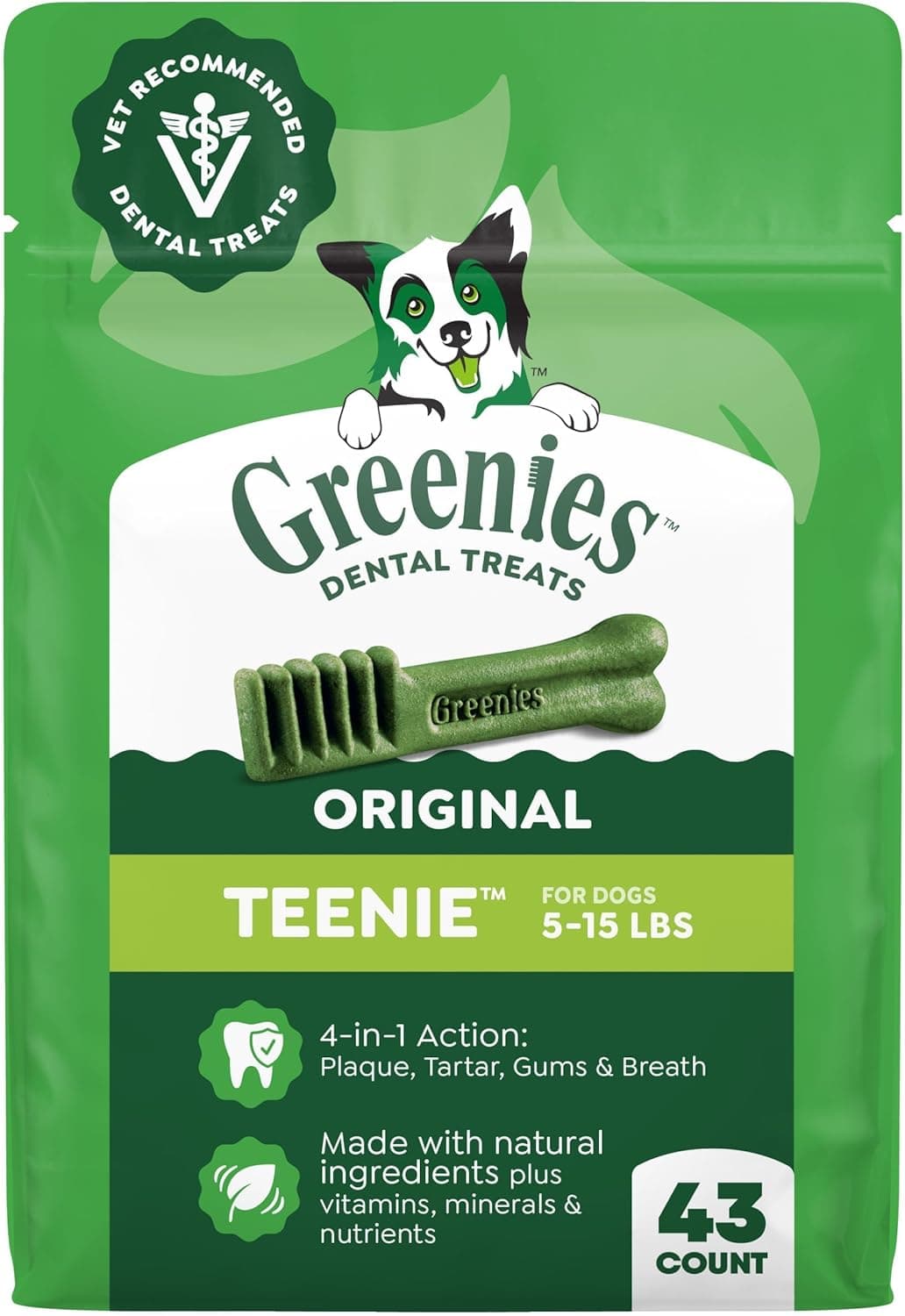
Plaque can begin reforming on your dog's teeth within hours of a professional cleaning, so what you do at home directly impacts how long those results last. According to VCA Animal Hospitals, plaque forms in as little as six hours after a cleaning, making a consistent home dental care program essential. Daily tooth brushing with pet-safe toothpaste remains the gold standard — see our guide to building a daily dental routine that prevents plaque and gum disease for step-by-step instructions. For dogs who resist brushing, supplementary tools can help extend the time between professional cleanings. HICC Pet Teeth Cleaning Wipes offer a finger-sleeve design that is gentler for dogs who dislike traditional toothbrushes — they are a maintenance tool for accessible tooth surfaces, not a replacement for professional scaling. You can also find them on Amazon. The Oxyfresh Premium Pet Dental Care Solution is a tasteless, odorless daily water additive that uses stabilized chlorine dioxide to help freshen breath and slow plaque reaccumulation — available on Amazon. For daily dental chews, Greenies Teenie Dental Dog Treats are VOHC-accepted for both plaque and tartar control — see our Greenies buyer's guide for sizing help, or check current pricing on Amazon. As a budget-friendly alternative, Minties Dog Dental Bone Treats are also VOHC-accepted for tartar control and available on Amazon. Remember: all at-home products complement but never replace professional veterinary dental care.
How Much Does Professional Dental Cleaning Cost?
The cost of a professional dental cleaning varies widely depending on your location, the severity of dental disease, and whether extractions or additional procedures are needed. According to PetMD, routine cleanings by a general practice veterinarian typically range from $350–$500, while procedures performed by a board-certified veterinary dental specialist can reach $1,500 or more. Pre-anesthetic bloodwork generally costs $75–$200, and tooth extractions can add $500–$2,500 per tooth depending on complexity. CareCredit reports a national average of $388 for dog dental cleanings, ranging from $307 to $702. Some clinics bundle cleaning, anesthesia, and X-rays into one price, while others itemize each service — always ask for a written estimate. For a detailed breakdown of what pet owners actually pay, see our dog teeth cleaning cost guide for 2026. If you are wondering whether pet insurance can help offset these costs, our Pet Dental Insurance Playbook walks you through what to look for in a policy, including how pre-existing condition exclusions may affect dental coverage.
Frequently asked questions
▶Is anesthesia really necessary for a dog dental cleaning?
Yes. According to AAHA guidelines, general anesthesia with endotracheal intubation is necessary for dental procedures because it allows for a complete oral exam, subgingival scaling (below the gumline), dental X-rays, and any needed extractions. Anesthesia-free dentistry is not recommended by AAHA because it only removes visible tartar above the gumline, which is purely cosmetic and does not treat or prevent dental disease.
▶How long does it take for a dog to recover from a dental cleaning?
For a routine cleaning without extractions, most dogs are back to normal energy and eating within 24 hours. If extractions or oral surgery were performed, expect 2–5 days of quieter recovery with soft food and prescribed pain medication. Complete healing of extraction sites can take 3–6 weeks, though most dogs adapt to eating within days.
▶How often should my dog have a professional dental cleaning?
The frequency depends on your dog's individual oral health, breed, age, and how well you maintain their teeth at home. Some dogs need annual cleanings, while others can go longer between procedures. Your veterinarian is the best person to recommend a cleaning schedule based on your dog's specific needs and the condition of their teeth and gums.
▶Can I brush my dog's teeth right after a professional cleaning?
Not immediately. If your dog had a routine cleaning without extractions, your vet will let you know when to resume brushing — often within a day or two. If extractions were performed, wait until your veterinarian confirms the mouth has healed sufficiently, which may take a week or more. Starting too soon can irritate healing tissue.
▶What should I feed my dog after a dental cleaning?
For a routine cleaning, you can usually offer a small meal later that day and return to normal food the next day. If extractions were performed, your vet will likely recommend softened kibble or canned food for several days to up to two weeks. Avoid hard treats, bones, and chew toys until your vet confirms the mouth has healed.
▶Are dental chews and water additives a substitute for professional cleanings?
No. At-home products like dental chews, water additives, and wipes are maintenance tools that help slow plaque accumulation between professional cleanings — they cannot remove existing tartar or treat periodontal disease below the gumline. Only a professional cleaning under anesthesia can address subgingival disease. Look for products with the VOHC Seal of Acceptance for independently verified efficacy.