Dog Dental Care · 12 min
Dog Dental Disease Treatment: Stages, Vet Procedures, and Home Recovery Explained
Understand dog dental disease treatment: the four stages, what happens during vet dental procedures, costs, and how to care for your dog at home during recovery.
Introduction
If your dog has persistent bad breath, red gums, or brown tartar buildup, you are likely looking at some degree of periodontal disease—and wondering what dog dental disease treatment actually involves. The good news is that veterinary dentistry has clear, well-established protocols for diagnosing, staging, and treating dental disease at every level of severity. Understanding those steps before you walk into the clinic helps you make better decisions, ask the right questions, and prepare your dog for a smooth recovery.
This guide walks through how veterinarians stage dental disease, what happens during a professional cleaning or extraction, what you can expect to pay, and how to care for your dog at home afterward. We also cover which home dental care products can help prevent recurrence once your vet clears your dog for routine maintenance. For a deeper dive into navigating insurance coverage for dental procedures, check out The Pet Dental Insurance Playbook.
What Is Dog Dental Disease?
Periodontal disease is the most common clinical condition affecting adult dogs, and it progresses in a predictable pattern. It begins when plaque—a sticky film of bacteria—accumulates on the tooth surface. If plaque is not removed within 24–48 hours, it mineralizes into tartar (calculus), which cannot be brushed away. Bacteria then migrate beneath the gumline, causing inflammation of the gingiva (gingivitis). Left untreated, the infection spreads to the periodontal ligament and alveolar bone that anchor the tooth, resulting in irreversible attachment loss, tooth mobility, and eventually tooth loss.
Key clinical signs include halitosis (bad breath), plaque and calculus accumulation, red or bleeding gums, gingival recession, periodontal pocketing, bone loss, furcation exposure in multirooted teeth, mobile teeth, and pain while chewing. According to the Merck Veterinary Manual, diagnosis requires periodontal probing and dental radiography under anesthesia to assess the true extent of attachment loss—much of the disease hides below the gumline where it cannot be seen during a conscious exam. For a broader overview of prevention and daily care, see our complete dog dental care guide.
The Four Stages of Dog Periodontal Disease
Veterinary dentistry uses a 0–4 staging system, as outlined by the AAHA Dental Care Guidelines and the Merck Veterinary Manual. Accurate staging can only be performed on an anesthetized patient after intraoral radiographs and periodontal probing.
Stage 0: Healthy periodontal tissues. No gingivitis or periodontitis.
Stage 1 (PD1): Gingivitis only, with no attachment loss. The gums are inflamed but the bone and ligament supporting the tooth are intact. This stage is fully reversible with professional scaling, polishing, and consistent home care.
Stage 2 (PD2): Early periodontitis. Less than 25% attachment loss, possibly with early furcation involvement in multirooted teeth. Treatment includes everything from Stage 1 plus subgingival scaling and locally applied antimicrobials if pocketing exists.
Stage 3 (PD3): Moderate periodontitis with 25–50% attachment loss. Periodontal therapy—including closed or open root planing and possibly periodontal surgery—is needed. Extraction is indicated if the owner cannot commit to daily home oral hygiene.
Stage 4 (PD4): Advanced periodontal disease with greater than 50% attachment loss. Teeth are often mobile. Extraction or advanced periodontal surgery is typically required, and the prognosis is guarded. The AAHA notes that disease will recur without drastic changes in home oral hygiene. Understanding these stages directly affects what dog teeth cleaning will cost and what procedures your vet will recommend.
How Vets Diagnose Dental Disease
Diagnosis begins with a conscious oral exam, where your veterinarian visually assesses the mouth for obvious tartar, gingivitis, fractured teeth, and oral masses. However, this is only a screening step. The 2019 AAHA Dental Care Guidelines strongly recommend full-mouth intraoral dental radiography for all dental patients, because a significant portion of pathology—root infections, bone loss, retained roots, cysts, and even oral tumors—exists below the gumline and cannot be detected without X-rays.
Once your dog is under general anesthesia, the veterinarian performs a tooth-by-tooth examination using a periodontal probe to measure sulcus depth around each tooth. Normal probing depth for dogs is 1–3 mm. Deeper pockets indicate attachment loss. The vet also checks for furcation exposure (where the roots of multirooted teeth diverge), tooth mobility, and fractures. All findings are recorded on a dental chart, which guides treatment decisions for each individual tooth. This is why the final cost of a dental procedure often cannot be determined until the dog is anesthetized and X-rays are reviewed—your vet may find problems that were invisible during the awake exam.
What Happens During Professional Dental Treatment
A professional dental cleaning (prophylaxis) under general anesthesia follows a standardized sequence. After pre-anesthetic blood work and IV catheter placement, your dog is anesthetized with endotracheal intubation to protect the airway from water and debris. Full-mouth radiographs are taken. Each tooth is then scaled both above (supragingival) and below (subgingival) the gumline using ultrasonic and hand instruments. Subgingival cleaning is essential—according to AAHA, removing only visible tartar is purely cosmetic and does not treat disease. After scaling, the teeth are polished to smooth microscopic scratches that would otherwise attract plaque rapidly.
If the vet finds teeth with significant attachment loss, mobility, or infection, extraction may be recommended. Local nerve blocks are used to manage pain and reduce the depth of anesthesia needed. For teeth that can be saved, periodontal therapy may include root planing, gingival curettage, locally applied antimicrobials (such as doxycycline gel placed into cleaned pockets), or advanced procedures like guided tissue regeneration with bone grafts and barrier membranes. The Merck Veterinary Manual notes that extraction is often the best treatment for teeth with increased mobility and a guarded to poor prognosis—and that dogs can function excellently without teeth, often with improved quality of life once painful, infected teeth are removed. For more on what these procedures cost, see our dog teeth cleaning cost guide.
Dog Dental Disease Treatment Cost: What to Expect
Costs vary widely depending on location, the severity of disease, whether extractions or advanced procedures are needed, and whether the work is done by a general practitioner or a board-certified veterinary dentist. According to PetMD, a routine cleaning by a general practice veterinarian typically ranges from $350–$500, while a board-certified veterinary dental specialist may charge $1,000–$2,000. GoodRx reports a similar range of $300–$1,000 for general practice.
Additional costs can include pre-anesthetic blood work ($75–$200), dental X-rays ($125–$250 per Dogster), pain medication (~$35), and antibiotics ($35–$85). Extractions add significantly to the bill—PetMD cites $500–$2,500 per tooth depending on complexity, while simpler extractions may cost $50–$200 per tooth. Some clinics offer lump-sum dental packages that include cleaning, anesthesia, X-rays, and extractions; others itemize each service. February is National Pet Dental Health Month, and some clinics offer discounts during that period. Not all pet insurance policies cover dental procedures, and pre-existing conditions may be excluded—our Pet Dental Insurance Playbook walks through how to navigate coverage before scheduling a procedure.
Recovery After a Dental Procedure: Timeline and Home Care
Most dogs recover fully within 10–14 days after a dental cleaning or extraction, according to PetMD. Your dog may be sleepy the evening of the procedure but should return to near-normal behavior by the next morning. Discomfort and soreness are most pronounced in the first 2–3 days and are managed with prescribed pain medications (commonly NSAIDs and gabapentin). Small amounts of blood in the saliva are normal for a day or two.
Key recovery guidelines from veterinary sources include: feed soft or wet food (or kibble soaked in water for 15 minutes) for 7–14 days to allow gums to heal; restrict activity and avoid running, jumping, and rough play for 7–14 days; do not allow access to chew toys, bones, or dental chews for at least 2 weeks; and avoid brushing teeth around surgical sites for several days to a week, or until your vet clears you at the recheck appointment (typically scheduled around 2 weeks post-procedure). Absorbable sutures used in extraction sites typically dissolve or fall out within 30 days. An Elizabethan collar (e-collar) may be needed if your dog paws at their face. Watch for warning signs like excessive bleeding, swelling, discharge, foul odor, or refusal to eat or drink for more than 1–2 days, and contact your vet immediately if these occur. For comprehensive post-procedure planning, the Pet Dental Pain Emergency Protocol guide covers what to watch for.
Home Care After Treatment: Preventing Recurrence
Once your vet clears your dog for home care (usually at the 2-week recheck), daily plaque control becomes the single most important factor in preventing disease from returning. The AAHA guidelines emphasize that periodontal disease will recur without consistent home oral hygiene. The most effective approach combines multiple strategies.
Daily tooth brushing with enzymatic pet toothpaste remains the gold standard, but many dogs resist it—especially after a painful dental procedure. For dogs who will not tolerate a traditional toothbrush, HICC Pet Teeth Cleaning Wipes offer a gentle finger-wipe format that lets you remove plaque from tooth surfaces without the stress of a brush. They are particularly useful during the transition period when your dog's mouth is still healing and you are re-establishing a routine.
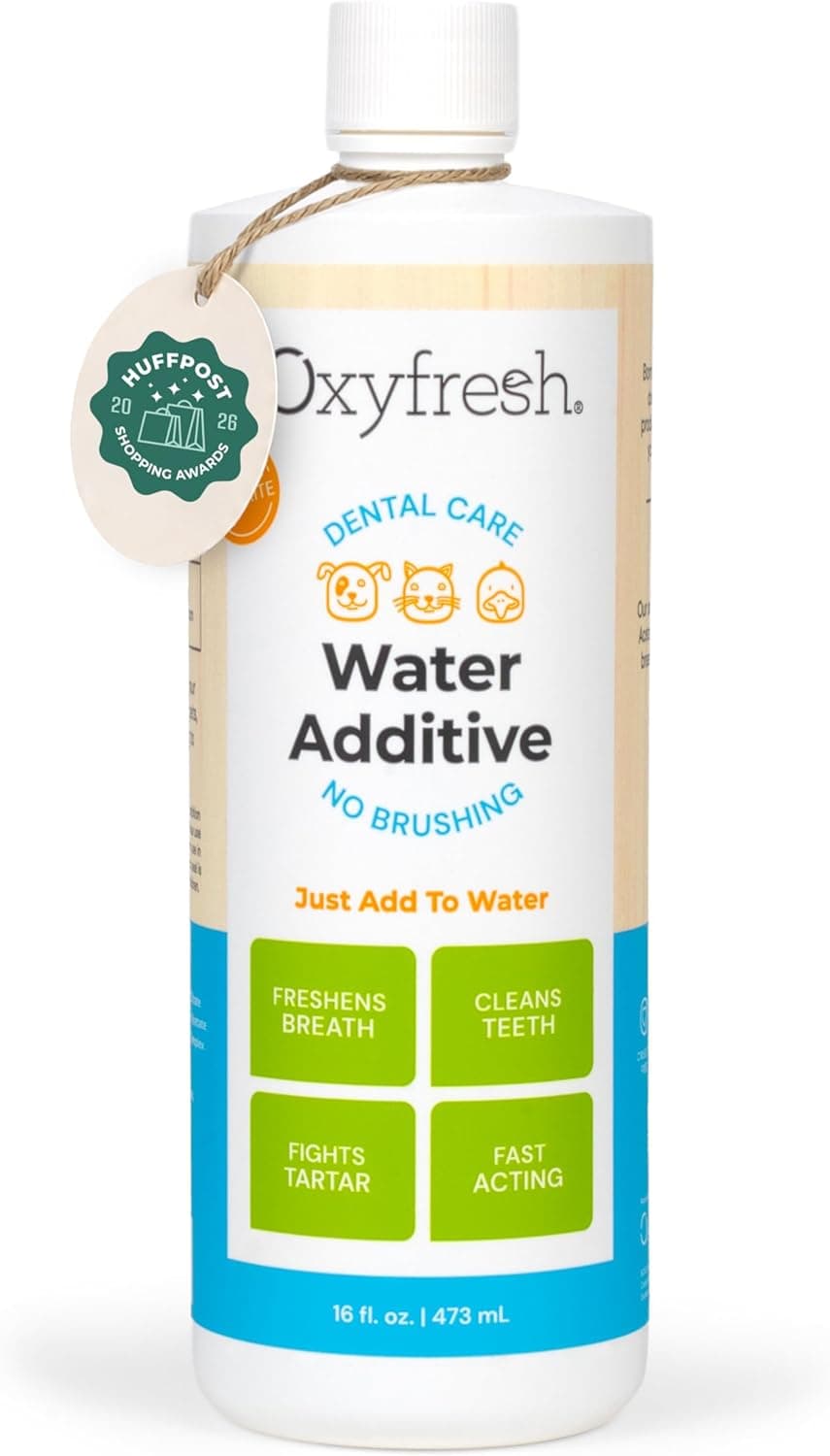
For passive, low-stress support, Oxyfresh Premium Pet Dental Care Solution is a tasteless, odorless water additive that uses stabilized chlorine dioxide to help neutralize odor-causing bacteria. It is not a VOHC-accepted product and should not replace brushing or professional care, but many veterinarians recommend it as a supplemental option—especially when active brushing is paused during recovery. Note that if you use a water fountain with a carbon filter, the manufacturer recommends removing the carbon filter, as it can strip the active ingredient.
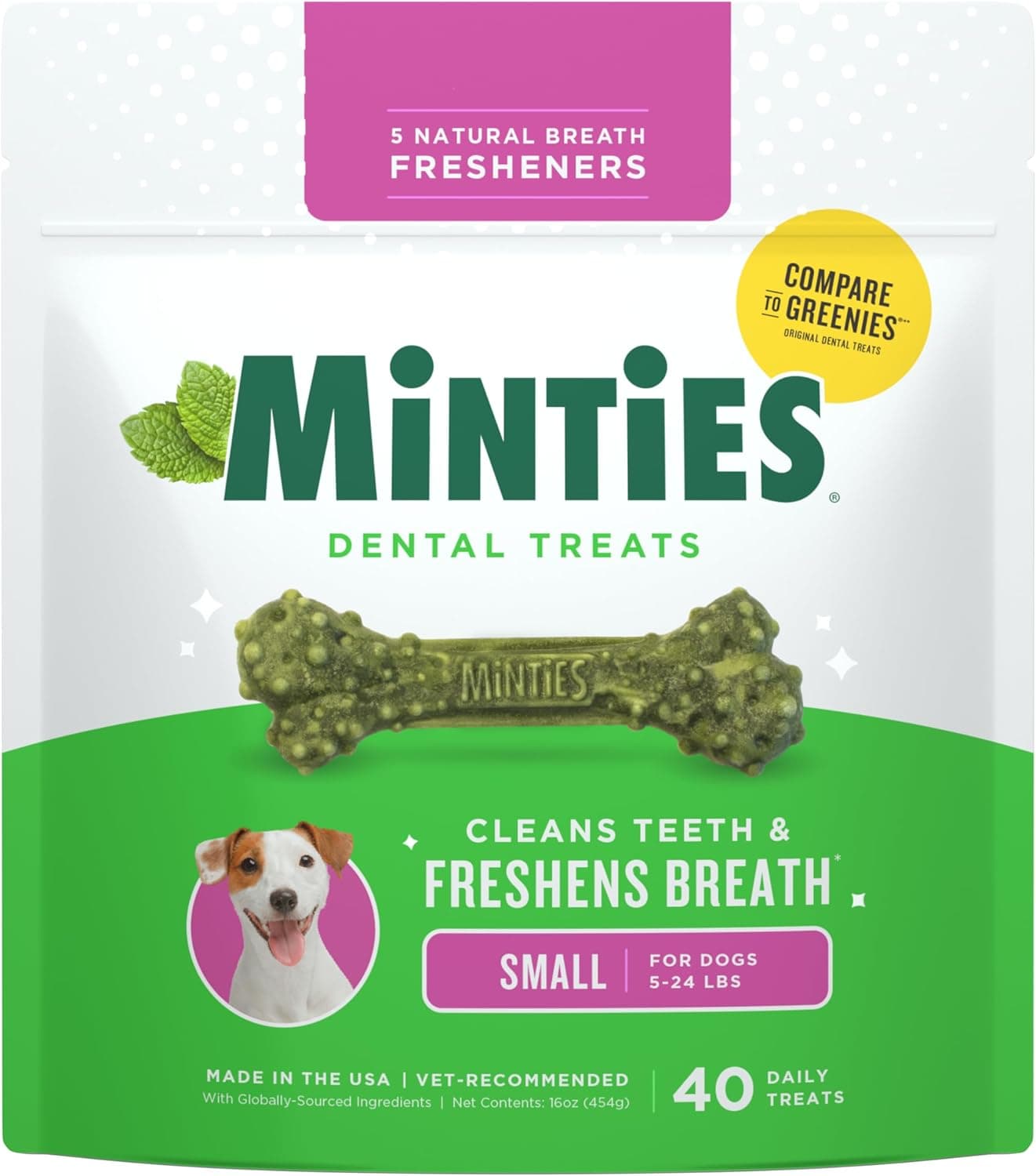
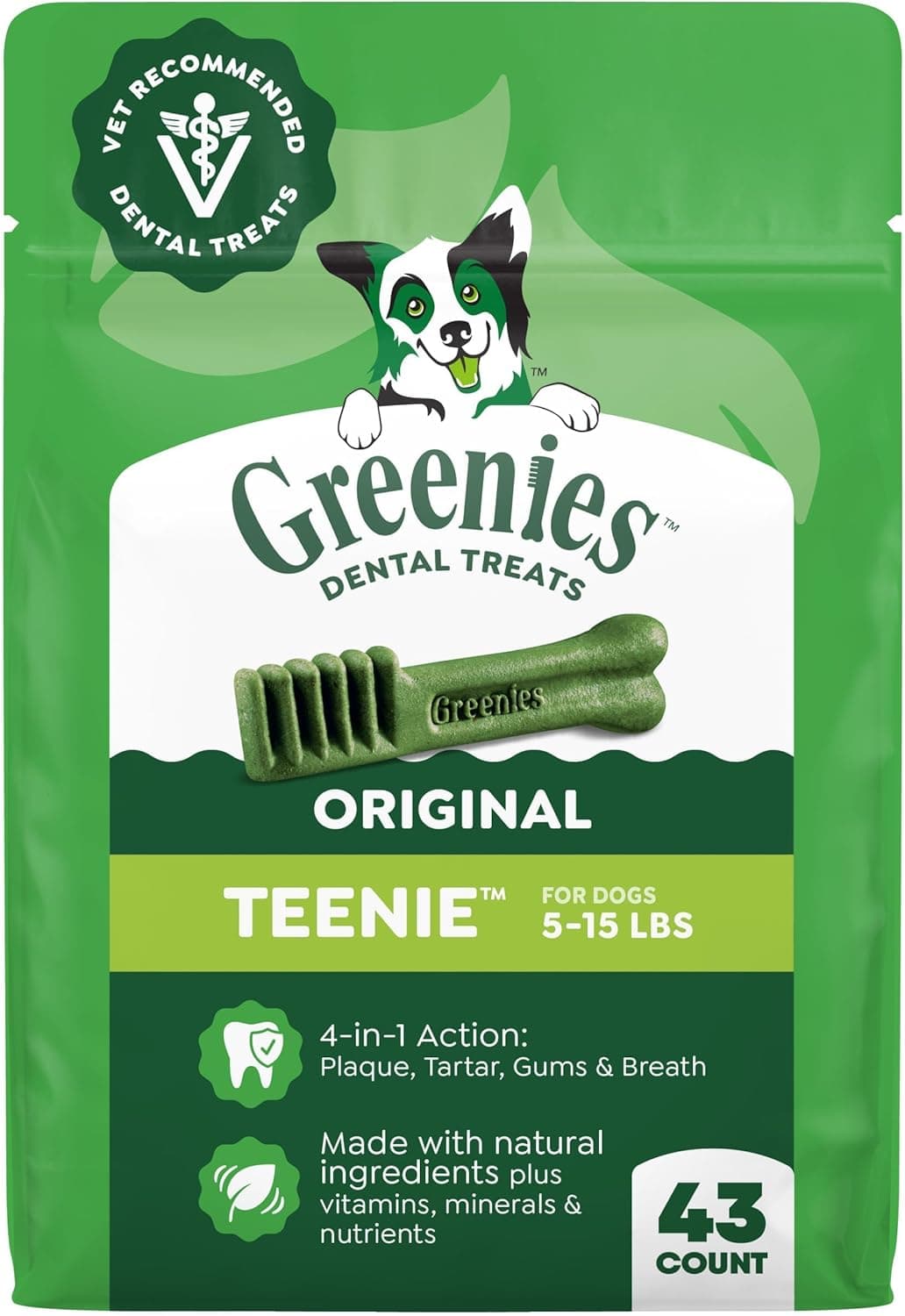
For daily chewing maintenance after full healing, VOHC-accepted dental treats are a vet-recommended option. Greenies Teenie Dental Dog Treats are VOHC-accepted for both plaque and tartar control and are sized for dogs 5–15 lbs. For owners seeking a more budget-friendly alternative, Minties Dog Dental Bone Treats offer daily chewing support for small breeds. Always confirm with your vet that your dog's mouth has fully healed before introducing any dental chew, and never use chews as a substitute for professional treatment. For a structured approach to choosing the right products, the Smart Pet Dental Shopper's Handbook breaks down what to look for.
Why Anesthesia-Free Cleanings Are Not Recommended
A common question from cost-conscious or anesthesia-wary owners is whether anesthesia-free dentistry (NAD) is a safe alternative. The short answer from both AAHA and the American Veterinary Dental College (AVDC) is no. AAHA's guidelines state that NAD is considered inappropriate because of patient stress, risk of injury, aspiration risk, and lack of diagnostic capabilities. The procedure only cleans the visible crown surface—what AAHA calls 'purely cosmetic and ineffective to treat disease'—while leaving subgingival plaque and tartar untouched. This gives owners a false sense that the problem has been addressed while disease continues to progress beneath the gumline.
General anesthesia with endotracheal intubation is necessary for several reasons: it allows the veterinarian to thoroughly clean below the gumline where disease actually lives, perform periodontal probing (which is uncomfortable and requires a still patient), take diagnostic radiographs, protect the airway from water and debris, and manage pain with local nerve blocks. AAHA notes that the risks of anesthesia in healthy or minimally compromised patients are very low when performed by trained veterinary professionals with appropriate monitoring. If you have concerns about anesthesia—especially for a senior dog—discuss pre-anesthetic blood work, IV fluids, and monitoring protocols with your vet, or ask for a referral to a board-certified veterinary dentist or anesthesia specialist. For senior dogs with complex needs, the Senior Pet In-Home Assistive Care Blueprint provides additional guidance.
Frequently asked questions
▶How long does it take a dog to recover from a dental cleaning or tooth extraction?
Most dogs recover fully within 10–14 days. They are typically sleepy the evening of the procedure but return to near-normal behavior by the next morning. Discomfort is most pronounced in the first 2–3 days and is managed with prescribed pain medication. Soft food and activity restriction are recommended for 7–14 days, and chew toys should be avoided for at least 2 weeks.
▶How much does dog dental disease treatment cost?
A routine professional cleaning by a general practice veterinarian typically costs $350–$500, while a board-certified veterinary dental specialist may charge $1,000–$2,000. Extractions can add $50–$2,500 per tooth depending on complexity. Pre-anesthetic blood work ($75–$200), dental X-rays, pain medication, and antibiotics may be additional. Costs vary by location and the severity of disease.
▶Are anesthesia-free dental cleanings safe for dogs?
No. AAHA and the American Veterinary Dental College do not recommend anesthesia-free dentistry. These procedures only clean the visible tooth surface and do not address disease below the gumline, where periodontal disease actually progresses. They also cannot perform diagnostic radiographs or periodontal probing. General anesthesia with proper monitoring is necessary for safe, effective dental treatment.
▶Can a dog live normally after having teeth extracted?
Yes. According to the Merck Veterinary Manual, dogs can function well without teeth and often have an improved quality of life once painful, infected teeth are removed. Most dogs adapt quickly to eating soft food and return to normal activity within 2 weeks. Your vet will recommend a softened diet during the healing period.
▶What are the four stages of dog periodontal disease?
Stage 1 is gingivitis with no attachment loss (reversible). Stage 2 is early periodontitis with less than 25% attachment loss. Stage 3 is moderate periodontitis with 25–50% attachment loss, requiring periodontal therapy. Stage 4 is advanced periodontitis with greater than 50% attachment loss, typically requiring extraction or advanced surgery. Accurate staging requires anesthesia, dental radiographs, and periodontal probing.
▶When can I start brushing my dog's teeth again after a dental procedure?
Most veterinarians recommend waiting several days to a week after a cleaning or extraction before resuming tooth brushing, and avoiding the surgical sites specifically. Your vet will typically clear you to resume home dental care at the 2-week recheck appointment. Do not give dental chews or bones until your vet confirms the extraction sites have healed.