Dog Dental Care · 9 min read
Dog Teeth Cleaning Cost: What Pet Owners Actually Pay in 2026 (and How to Cut It)
Discover the real dog teeth cleaning cost in 2026. See line-item breakdowns, what drives prices up, insurance realities, and at-home products that save money.
Introduction
If your vet just handed you an estimate for a professional dental cleaning and the number made your stomach drop, you're not alone. The national average for a dog teeth cleaning sits around $400 in 2026, but real-world bills routinely climb past $1,000 once extractions, X-rays, and anesthesia are factored in. Understanding exactly what you're paying for—and what drives that number up—is the first step to taking control of the bill. For a deeper dive into overall canine dental care strategies, check out our complete dog dental care guide.
The good news? A meaningful chunk of that cost is preventable. Consistent at-home dental care, the right products, and smart insurance decisions can extend the time between professional cleanings and reduce the severity of each visit. Below, we break down every line item, explain why extractions are the budget killer, and show you which prevention products actually earn their keep.
The Real Dog Teeth Cleaning Cost in 2026: National Averages and Ranges
The national average cost for a professional dog dental cleaning under anesthesia is approximately $400, with most owners paying between $300 and $700 for a routine cleaning without extractions, according to data aggregated by CareCredit and CostWhale. However, real-world invoices tell a more expensive story. An analysis of 15 actual veterinary dental bills by Vet Receipt found that the typical total falls between $708 and $1,356, with a median of $1,145—because roughly 80% of dental visits include at least one extraction. A cleaning-only visit with no extractions typically runs $300–$600. Once extractions enter the picture, expect $600–$1,500 or more. Board-certified veterinary dental specialists charge significantly more, with cleanings starting around $1,500, as noted by PetMD. Location also matters: urban metros run 20–40% higher than rural areas, and states like California and Massachusetts average over $500 for a basic cleaning. You can explore more viral pet finds that help owners save on everyday care.
Line-Item Breakdown: What's Actually on the Invoice
A professional dental cleaning is not a single procedure—it's a bundle of services, each with its own cost. Based on data from Vet Receipt and PetMD, here's what a typical bill includes: pre-anesthetic bloodwork ($50–$200) to screen liver and kidney function before sedation; general anesthesia with monitoring ($150–$350, scaling with dog size); full-mouth dental X-rays ($100–$250) to reveal problems below the gumline that aren't visible to the naked eye; ultrasonic scaling and polishing above and below the gumline ($150–$400); dental charting documenting every tooth; and take-home pain medication ($15–$60). If infection is present, antibiotics add $15–$85. Nerve blocks for extraction sites run $25–$75 per site. The cleaning itself is only part of the bill—anesthesia and imaging are typically the largest line items, which is why a "cleaning" costs so much more than it sounds. Always ask your vet for an itemized estimate before scheduling so you can see exactly what's included and what might be added if they find problems under anesthesia.
Extractions: The Single Biggest Cost Driver
If there's one factor that turns a $400 cleaning into a $1,500 bill, it's extractions. Simple single-root extractions (like incisors) typically add $50–$150 per tooth. Complex surgical extractions involving multi-rooted molars or carnassial teeth cost $150–$400+ per tooth because they require surgical techniques, additional anesthesia time, and sometimes bone removal. PetMD notes that specialist-performed extractions can reach $500–$2,500 per tooth for particularly complex cases. According to Vet Receipt's invoice data, dental bills with extractions average roughly double the cost of cleaning-only bills. This is why prevention matters so much financially: every tooth you save through daily at-home care is potentially hundreds of dollars avoided at the next cleaning. Small breeds like Yorkshire Terriers, Chihuahuas, and Pomeranians are especially prone to advanced periodontal disease, meaning they often have higher total bills despite lower anesthesia costs. If your dog is showing signs of oral discomfort, don't wait—our Pet Dental Pain Emergency Protocol can help you determine when to seek urgent care.
Does Pet Insurance Cover Dog Teeth Cleaning?
The short answer: it depends on the type of plan and the reason for treatment. Standard accident-and-illness policies typically do not cover routine preventive cleanings. However, they generally do cover dental illness and trauma—infected teeth, fractured teeth from injuries, and medically necessary extractions due to periodontal disease. If your vet documents that extractions are needed for health reasons (not elective), most plans reimburse 70–90% after your deductible ($100–$500 annually), according to Vet Receipt's analysis. Wellness add-ons from insurers like Nationwide, ASPCA, Embrace, and Spot can reimburse $50–$450 per year for routine cleanings, but these add-ons cost extra on top of your base premium. Critical caveat: if your dog was diagnosed with dental disease before you enrolled, the procedure will likely be excluded as a pre-existing condition. Some insurers also require proof of regular dental exams and cleanings to maintain dental illness coverage. For a comprehensive walkthrough of which policies cover what, grab our Pet Dental Insurance Playbook—it breaks down real reimbursement scenarios and helps you avoid coverage gaps.
How to Lower Your Dog Teeth Cleaning Cost Through At-Home Prevention
No at-home product can replace a professional cleaning under anesthesia—tartar below the gumline can only be removed by a veterinarian. But consistent daily care can significantly slow plaque and tartar accumulation, potentially extending the interval between cleanings and reducing the severity (and cost) of each visit. The Veterinary Oral Health Council (VOHC) awards its seal to products proven to reduce plaque or tartar by at least 20%. Here are four cost-reduction strategies worth considering:
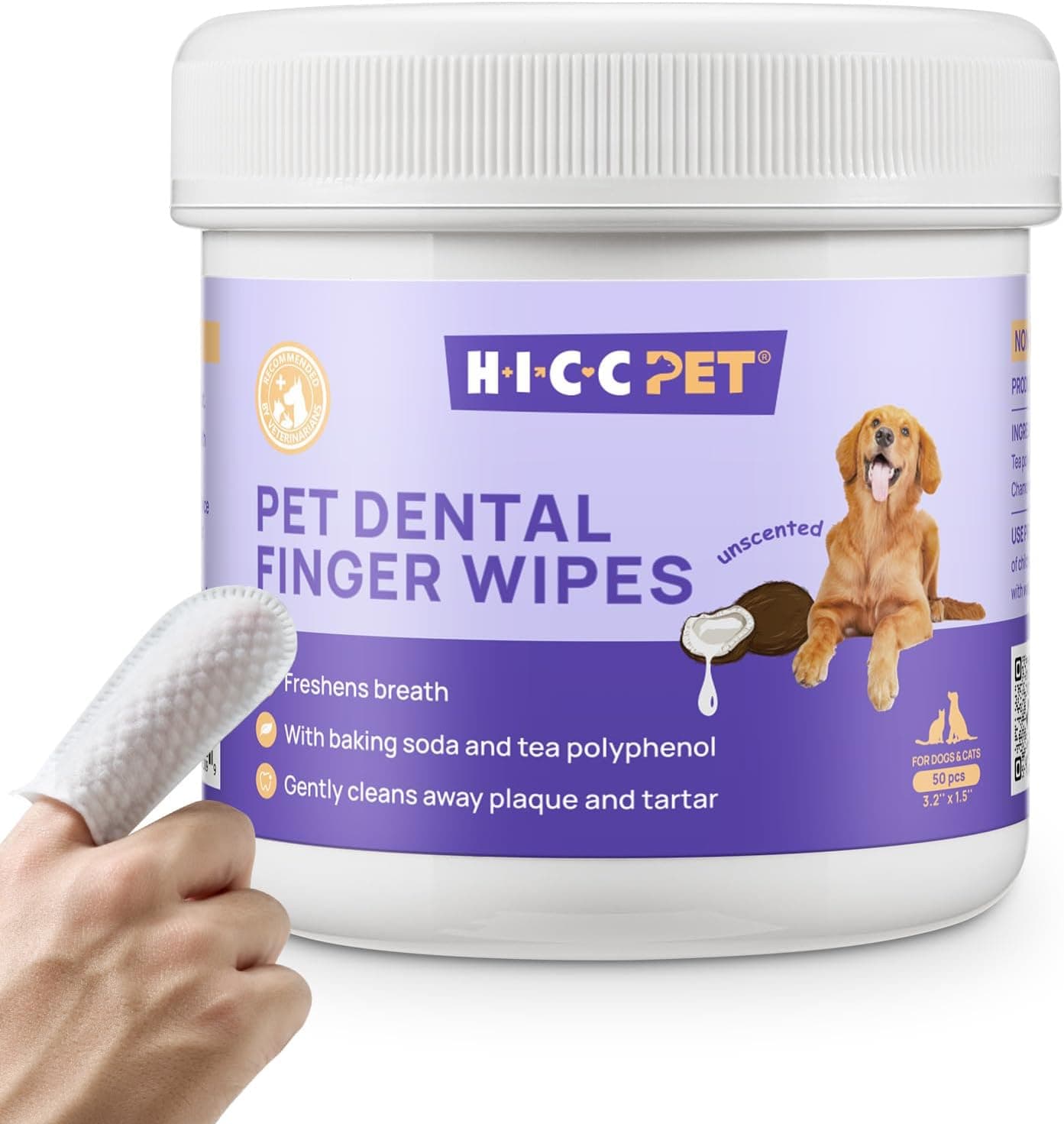
1. Daily dental wipes for dogs who resist brushing. The Colorado State University Veterinary Health System notes that dental wipes can remove soft plaque as an alternative to brushing, especially for small dogs. HICC Pet Teeth Cleaning Wipes offer a plant-based, alcohol-free formula with a finger-sleeve design that reaches back teeth. At roughly $16 for a month's supply, they're a fraction of one extraction's cost. Check current pricing on Amazon.
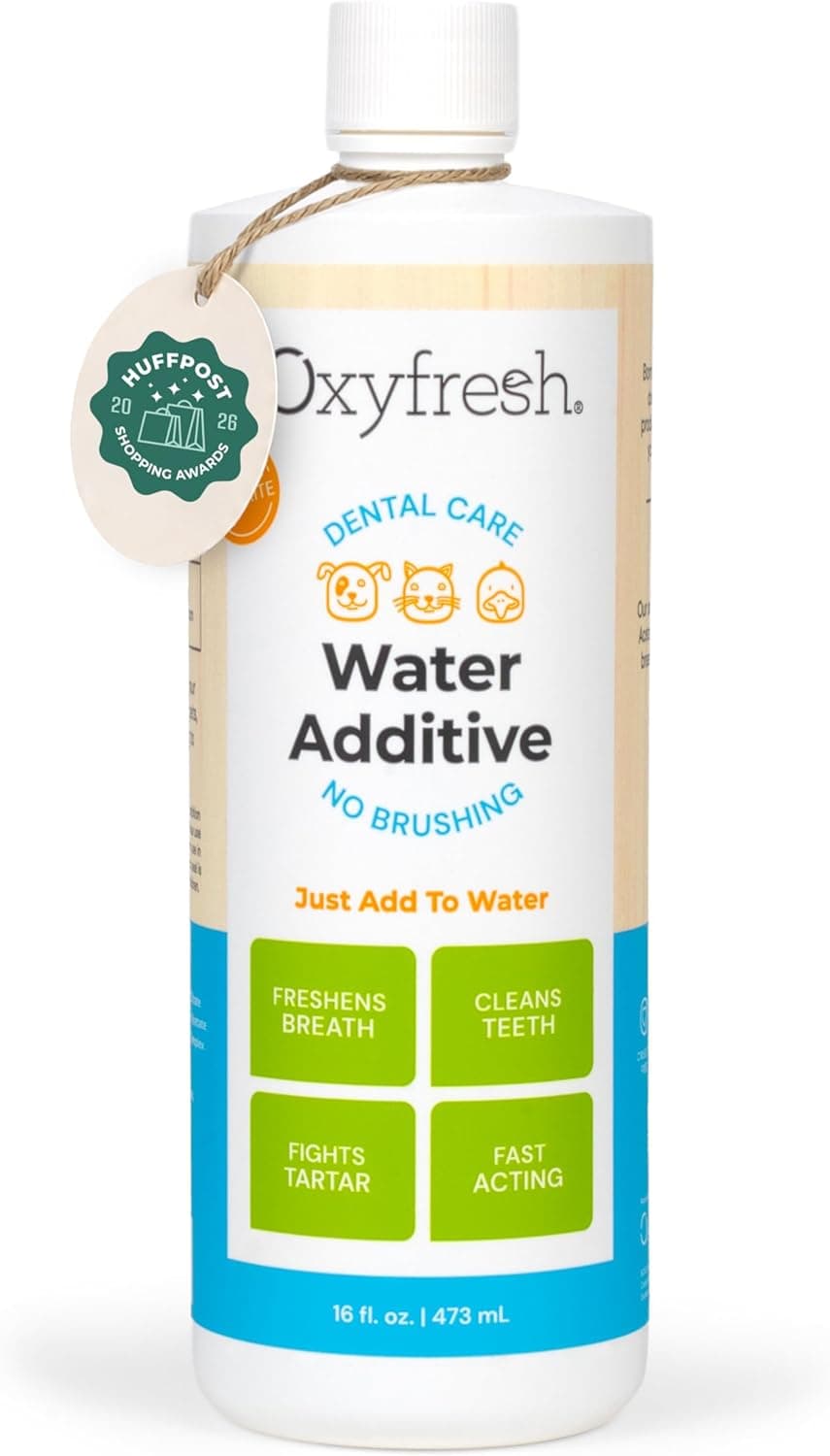
2. A zero-effort water additive for daily bacterial control. CSU Veterinary notes that water additives can reduce plaque adherence to teeth, though they won't remove existing tartar. Oxyfresh Premium Pet Dental Care Solution is a tasteless, odorless additive that freshens breath and targets plaque-building bacteria. It requires zero training—just add it to the water bowl. See current Amazon pricing here. Note: some owners report GI upset in sensitive pets, so introduce gradually and monitor.
3. VOHC-accepted daily dental chews for small breeds. Greenies have held the VOHC seal for both plaque and tartar control since 2007. Greenies Teenie Dental Dog Treats (43 count) are sized for dogs 5–15 lbs and clean down to the gumline through mechanical chewing action. One treat per day is the recommended protocol. Check Amazon for current pricing.
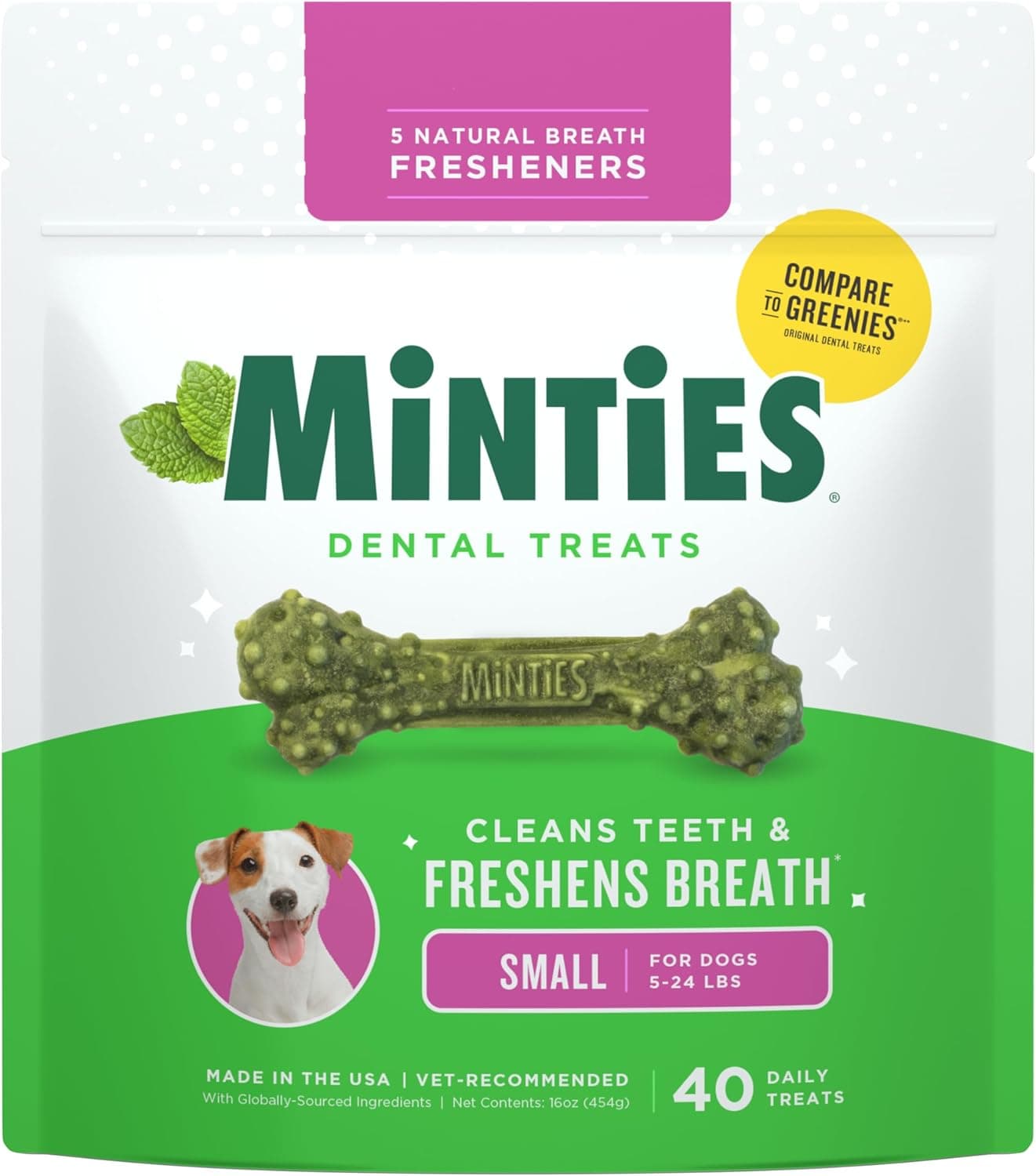
4. A budget-friendly VOHC-accepted alternative. VetIQ Minties earned the VOHC seal for tartar control in 2014. Minties Dog Dental Bone Treats in Tiny/Small cost roughly $10 for a 40-count bag—about $0.25 per day—making them one of the most affordable VOHC-accepted options. They're wheat-, corn-, and soy-free with five natural breath fresheners. View current Amazon pricing. Spending a few dollars per month on prevention can save hundreds on extractions at the next cleaning.
Avoid Anesthesia-Free Cleanings: Why Cheaper Isn't Better
You may see groomers or non-veterinary services advertising "anesthesia-free" dental cleanings for $180–$400. The American Veterinary Medical Association (AVMA) and the American Veterinary Dental College (AVDC) explicitly do not recommend these procedures. Here's why: they only scrape visible tartar above the gumline, leaving the most disease-causing plaque untouched below the gumline. They cannot take dental X-rays, cannot perform extractions, and cannot thoroughly examine every tooth surface. They're also stressful for the dog and can cause injury to both the pet and the handler. The short-term appeal of a cheaper fee will cost you and your dog in the long run, because hidden disease progresses unchecked. A true professional cleaning under anesthesia allows for a comprehensive oral health assessment and treatment (COHAT)—the only standard that actually addresses periodontal disease. If cost is a barrier, ask your vet about payment plans, CareCredit, or shelter-affiliated low-cost clinics, which sometimes offer cleanings at reduced rates.
Smart Timing and Planning Strategies
Timing your dog's dental cleaning strategically can meaningfully reduce lifetime costs. First, don't skip annual oral exams—catching gingivitis early before it progresses to periodontal disease with bone loss means simpler, cheaper cleanings. The American Animal Hospital Association (AAHA) recommends starting professional cleanings at one year for small-breed dogs and two years for large breeds. Second, if your vet offers a bundled price that includes cleaning, anesthesia, X-rays, and extractions, compare it against the itemized estimate—sometimes the bundle is cheaper, sometimes it isn't. Third, consider scheduling cleanings during months when your vet offers dental promotions (often February for Pet Dental Health Month). Fourth, invest in prevention products consistently between cleanings—daily use is what produces results, not sporadic use. For owners managing multiple pets or senior dogs with complex needs, our 24-Hour Smart Pet Care Framework helps you build a structured daily routine that keeps preventive care on track without overwhelming your schedule.
The Bottom Line: Prevention Is the Best Cost-Cutting Strategy
A professional dog dental cleaning in 2026 typically costs $300–$700 without extractions and $700–$1,500+ with them. Insurance can offset illness-related dental work but rarely covers routine cleanings without a wellness add-on. The single most effective way to control your dog teeth cleaning cost is consistent, daily at-home prevention: mechanical cleaning (brushing or wipes), chemical bacterial control (water additives), and VOHC-accepted dental chews. None of these replace professional cleanings, but together they can extend intervals between visits and reduce the severity of disease found at each cleaning—directly lowering your out-of-pocket costs. For a structured approach to evaluating dental products and building a prevention routine that fits your dog's needs and your budget, download our Smart Pet Dental Shopper's Handbook. And if you're navigating dental decisions for a senior dog, the Senior Pet In-Home Assistive Care Blueprint covers age-specific dental considerations and comfort-focused care strategies.
Frequently asked questions
▶How much does a dog teeth cleaning cost in 2026?
The national average is approximately $400, with most owners paying $300–$700 for a routine cleaning without extractions. Once extractions, X-rays, and additional treatments are included, real-world bills typically range from $708 to $1,356 based on actual veterinary invoices. Complex cases involving multiple surgical extractions or specialist care can exceed $2,000–$3,000.
▶Does pet insurance cover dog teeth cleaning?
Standard accident-and-illness policies generally do not cover routine preventive cleanings. However, they typically cover dental illness and trauma, including medically necessary extractions, reimbursing 70–90% after your deductible. Wellness add-ons can reimburse $50–$450 per year for routine cleanings but cost extra on top of your base premium. Pre-existing dental conditions are usually excluded.
▶How much does a dog tooth extraction cost?
Simple single-root extractions (like incisors) typically cost $50–$150 per tooth. Complex surgical extractions involving multi-rooted molars or carnassial teeth cost $150–$400+ per tooth. Specialist-performed extractions can reach $500–$2,500 per tooth for particularly complex cases. Extractions are the single biggest variable on a dental bill.
▶Are anesthesia-free dog dental cleanings safe?
The AVMA and AVDC do not recommend anesthesia-free cleanings. They only remove visible tartar above the gumline, cannot address disease below the gumline, cannot take X-rays, and cannot perform extractions. They are also stressful for the dog and can cause injury. A proper professional cleaning under anesthesia is the only way to comprehensively assess and treat periodontal disease.
▶Can at-home dental products reduce how often my dog needs professional cleanings?
Yes, consistent daily at-home care—including brushing, dental wipes, VOHC-accepted dental chews, and water additives—can slow plaque and tartar accumulation, potentially extending the interval between professional cleanings and reducing the severity of disease found at each visit. However, no at-home product can replace professional cleanings, as tartar below the gumline can only be removed by a veterinarian under anesthesia.
▶What is the VOHC seal and why does it matter?
The Veterinary Oral Health Council (VOHC) awards its seal to products that have been scientifically tested and proven to reduce plaque or tartar by at least 20%. Looking for the VOHC seal helps you choose dental products with demonstrated efficacy rather than marketing claims alone. Products like Greenies and VetIQ Minties have earned this seal.