Pet Care Guides · 8 min read
PETKIT PuraMax 2 Deep Cleaning Guide: Tips, Tricks, and Shortcuts
Master PETKIT PuraMax 2 cleaning with this step-by-step deep clean guide. Learn disassembly, safe products, odor control, sensor care, and time-saving shortcuts.
Introduction
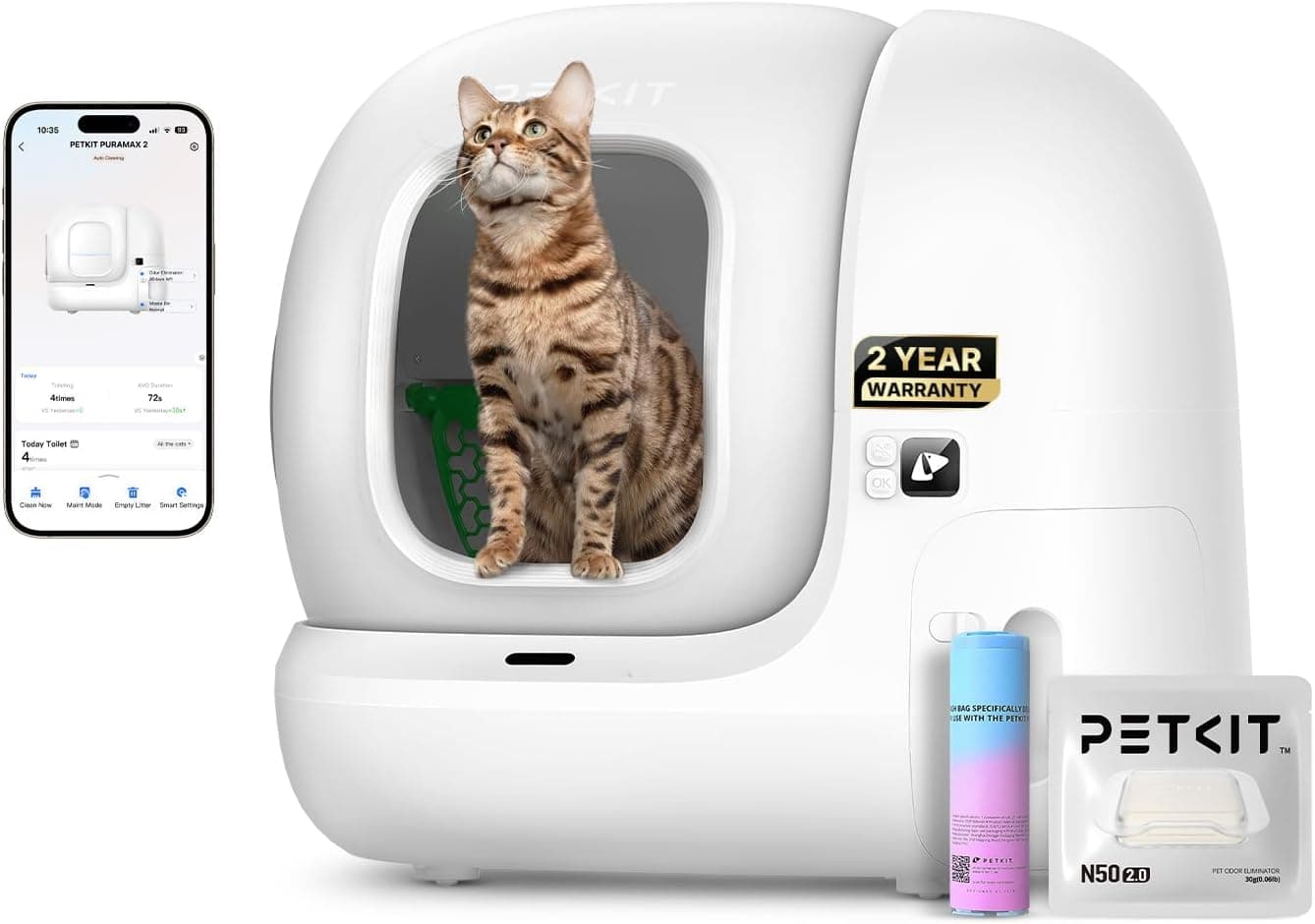
The PETKIT PuraMax 2 is one of the more popular self-cleaning litter boxes on the market, and for good reason — it handles the daily scooping so you don't have to. But like every automatic litter box, it still needs regular deep cleaning to keep sensors accurate, odor under control, and your cat happy to use it. If you've been putting off that deep clean, this guide walks you through every step.
We'll cover the official disassembly process, which cleaning products are safe (and which will damage your unit), how to keep the N50 odor eliminator working, and time-saving shortcuts for busy multi-pet households. Whether you're comparing it to other self-cleaning litter boxes or already own one, this is the maintenance reference you'll come back to.
Why Regular Deep Cleaning Actually Matters
Automatic litter boxes don't eliminate cleaning — they delay it. The PETKIT PuraMax 2 uses 11 safety sensors, including weight and proximity sensors, to detect your cat and control the cleaning cycle. Dust buildup, litter residue, and urine crystals on those sensors are the leading cause of false triggers and mid-cycle stops — a complaint echoed across PETKIT's own support forums. Regular deep cleaning keeps those sensors clear and your unit cycling reliably. The manufacturer recommends cleaning the cylinder when the inner surface is dirty, the litter sifter promptly after loose stools, and the base whenever you disassemble the cylinder. For a single-cat household, a full deep clean every 4–6 weeks is reasonable; multi-cat homes should aim for every 2–3 weeks. Skipping deep cleans doesn't just cause odors — it shortens the life of your unit and can void coverage if damage results from neglect. If you're also juggling dog care, check out our 24-Hour Smart Pet Care Framework for balancing all your pets' needs.
What You'll Need Before You Start
Before disassembling anything, gather your supplies so you're not halfway through with wet hands and no tools. You'll need: a soft-bristle brush (a dedicated litter box brush or an old toothbrush), soft microfiber cloths or paper towels, mild dish soap, and a dry towel for air-drying parts. Do NOT use alcohol, disinfectants, bleach, or any non-neutral detergent — PETKIT explicitly warns these can damage the cat litter pad's coating and other components. You'll also want a fresh PETKIT replacement trash bag (the drawstring HDPE bags designed for the PuraMax 2, sized at 400×495 mm) and a replacement N50 2.0 odor eliminator if it's been more than 30 days. Using third-party trash bags that are too thick can cause the waste bin to malfunction, so stick with PETKIT's own or verify dimensions carefully. Power off the unit and unplug the cord before touching anything — the manual states this clearly for safety.
Step-by-Step Deep Cleaning Process
Follow PETKIT's official cleaning sequence to avoid damaging parts. Step 1 — Empty the litter: Install the magnetic cat litter remover by aligning its three grooves with the holes on the litter sifter until you hear a click. Open the PETKIT app and tap "Empty Litter." The device will rotate to dump remaining litter into the waste bin. Remove the magnetic litter remover afterward by pinching the raised part on the left. Step 2 — Disassemble the sifter and pad: Rotate the side cover counterclockwise to remove it. Press the middle of the litter sifter until it bends and releases from the left buckle, then pull it out. Pinch the handle of the cat litter pad to remove it. Step 3 — Remove the cylinder: Lift the magnetic side cover upward, unlock the buckle, and lift the cylinder off the base. Step 4 — Clean each part: Brush the cylinder thoroughly and rinse it. Scrub the litter sifter with a brush and rinse. Wipe the cat litter pad gently with a damp soft cloth — do not scrub vigorously. Step 5 — Wipe the base: Use a damp paper towel on the base of the main unit and the proximity sensor. Never rinse or soak the base. PETKIT's official cleaning video demonstrates the full process. For a visual walkthrough of similar units, see our guide on best automatic litter boxes for small and senior cats.
Reassembly: Getting It Right the First Time
Reassembly is where most owners make mistakes — and mistakes here cause sensor errors and failed cycles. Critical rule: every part must be completely dry before reassembly. Even slight moisture can interfere with the weight sensors and cause false cat-detection alerts. Place the cylinder on the base and lock the buckle firmly — an unfastened buckle is a common cause of cycle failures. Insert the cat litter pad by sliding the upper edge into the groove first, then the bottom, aligning with the arrows. Release it and the sides should seat naturally. Before moving on, verify the green edge of the cat litter pad is fully seated in the groove and arrows on both ends are aligned — this is the step PETKIT emphasizes most. Insert one side of the litter sifter into point A, press until it bends, then insert the other side into point B. Shake it gently — if it moves back and forth, installation is correct. Finally, install the side cover clockwise and snap on the magnetic side cover. Reinstall the N50 odor eliminator on the waste bin lid, plug in, and run a test cycle via the app.
Cleaning Products to Avoid (Safety-Sensitive)
This section matters more than most owners realize. PETKIT's manual is explicit: avoid alcohol, disinfectants, bleach, and any non-neutral detergent on the cat litter pad and other components. These chemicals can degrade the pad's anti-stick coating, causing litter to adhere and clump to the surface — which then leads to incomplete cleaning cycles and more frequent deep cleans. For the waste bin drawer, some owners use a mild dish soap and water solution every two weeks to remove ammonia crystal buildup. If you choose to disinfect the waste bin, a 1:10 bleach-to-water solution can be used on the plastic drawer only — never on the cylinder, sifter, or pad — and you must rinse thoroughly (at least three full rinses) and dry completely. Never apply any cleaning chemical to the base of the main unit or the sensors. For the proximity sensor, a dry or barely damp soft cloth is all that's needed. When in doubt, mild dish soap and water on removable parts is the safest choice. If you have pets with sensitivities, our Senior Pet In-Home Assistive Care Blueprint covers safe cleaning practices for multi-pet environments.
Odor Control: N50 Replacement and Waste Drawer Care
The PETKIT PuraMax 2 uses the N50 2.0 odor eliminator — a small cartridge that sits on the waste bin lid. PETKIT states each cartridge lasts approximately 30 days, and a 3-pack retails for $19.99 on their site. If you notice persistent odor even after emptying the waste bin, the N50 is the first thing to check. The waste bin itself (7L capacity) can develop ammonia crystal buildup on its plastic surfaces over time. Standard trash bags catch solid waste but don't prevent the bin walls from absorbing odor. To address this, remove the waste bin, take off the lid, discard the used bag, and wash the bin interior with mild dish soap and warm water every two weeks. Make sure the bin is completely dry before installing a new bag — moisture trapped under the bag accelerates odor. PETKIT's own drawstring trash bags (HDPE, 400×495 mm, 20 per roll) are sized correctly; overly thick third-party bags may not seat properly on the waste bin ring. For homes with both cats and dogs, managing litter box odor is especially important — see our viral pet finds for odor-fighting accessories that work across species.
Tackling the Biggest Weakness: Sensor False Triggers
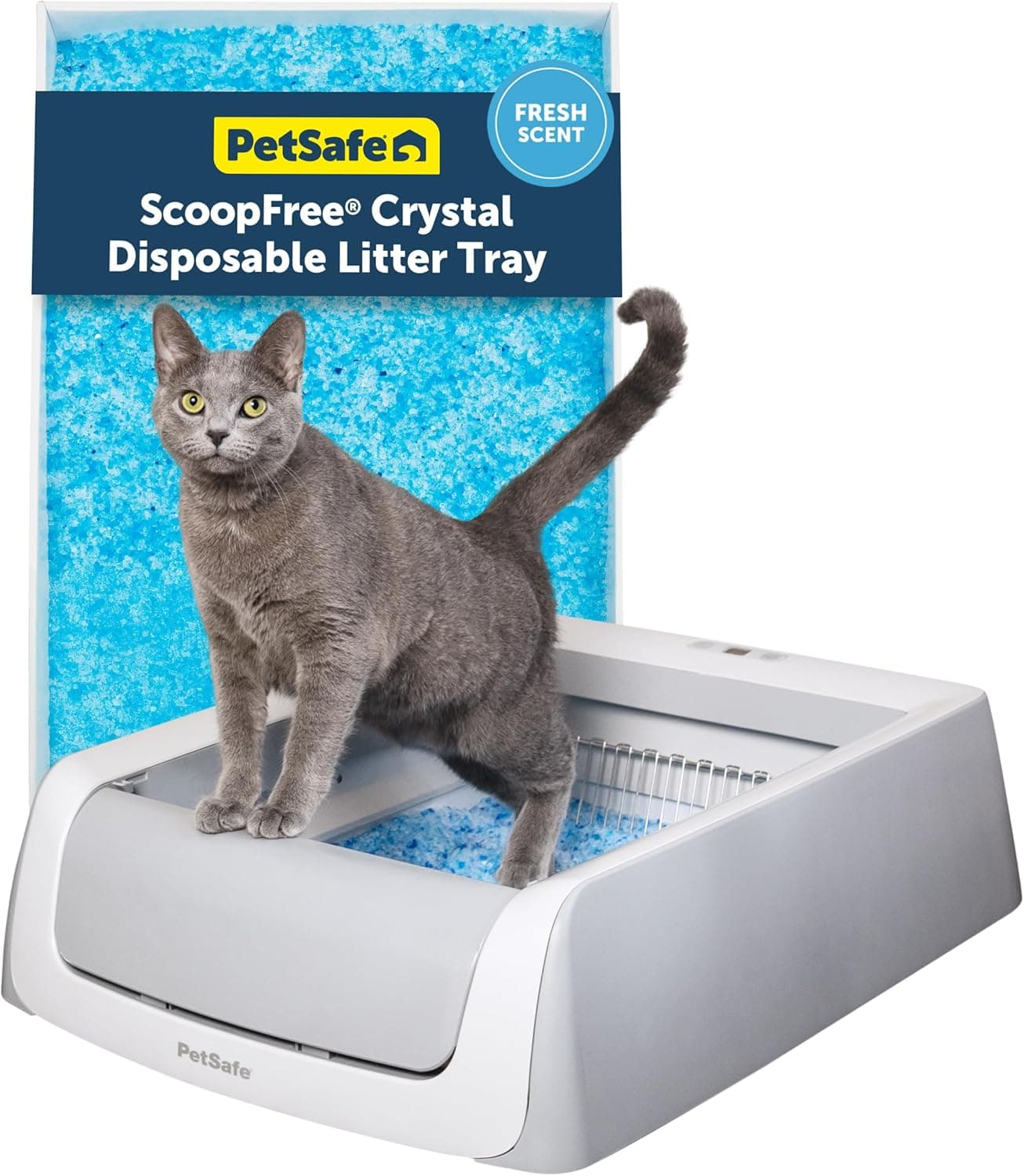
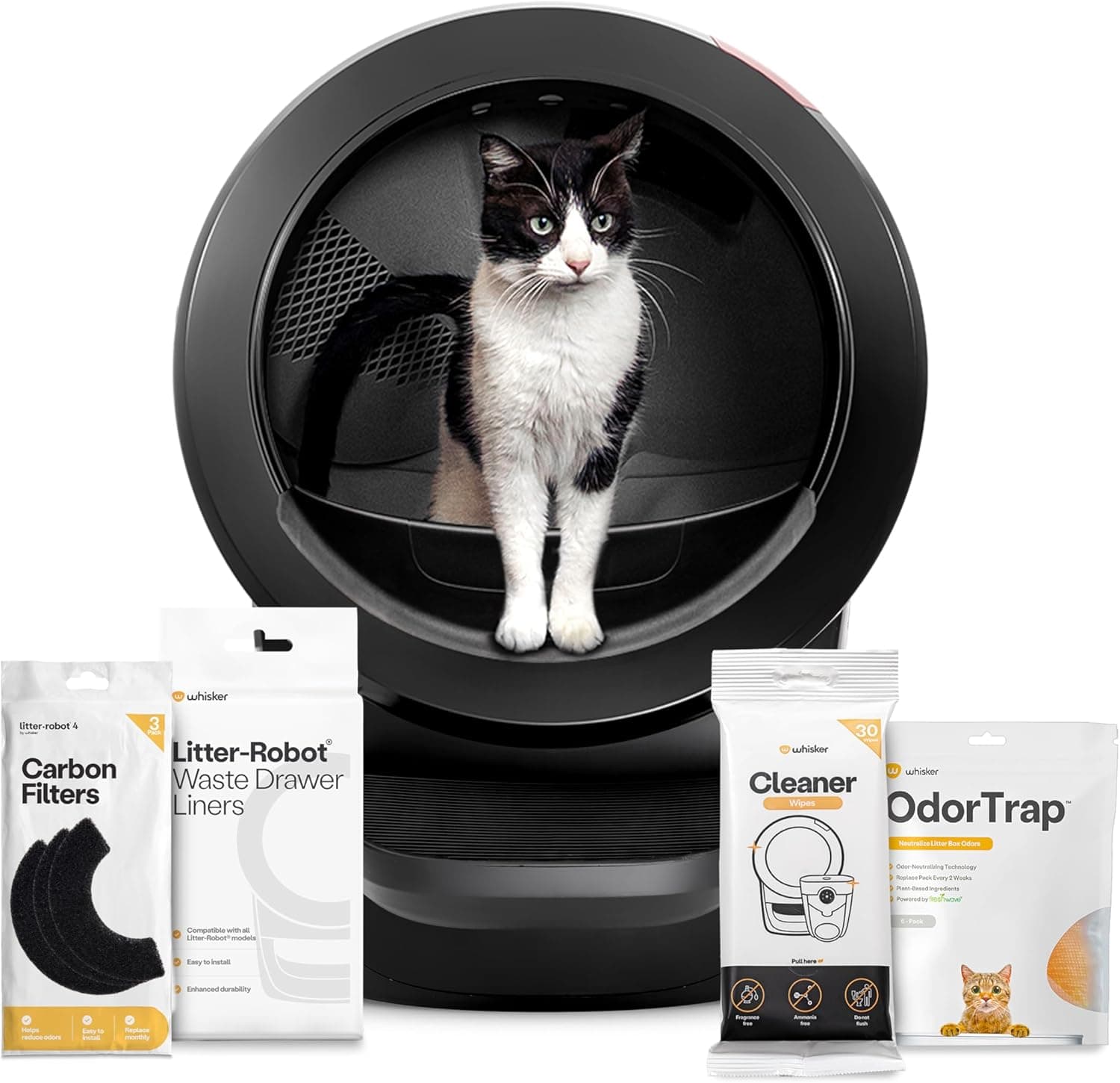
The most common complaint among PuraMax 2 owners is the sensor triggering during or after the cleaning cycle when no cat is present — the unit stops mid-cycle and requires a manual reset. Based on owner reports on PETKIT's support forums and third-party reviews, several factors contribute to this: dust coating the proximity sensor, litter debris on the weight sensor base, placement on carpet or soft flooring, and even the included step mat causing interference. Here's how cleaning directly addresses each: Proximity sensor — wipe it with a soft cloth every time you do a deep clean. Weight sensor base — wipe with a damp paper towel after removing the cylinder. Floor placement — the unit must sit on a flat, hard surface (tile, hardwood, vinyl). PETKIT explicitly warns against carpet placement. Step mat — multiple owners on the support forum reported that removing the included mat eliminated their false trigger issues entirely. If problems persist after a thorough clean and correct placement, contact PETKIT support (24–48 hour email response in the US). For comparison with alternatives that may have fewer sensor issues, see our review of the Whisker Litter-Robot 4 or the PetSafe ScoopFree.
Litter Choice: The Shortcut Nobody Talks About
The litter you choose has a direct impact on how often you need to deep clean. Low-dust clumping litter keeps sensors cleaner for longer and reduces residue buildup inside the cylinder. Standard clay litter works but generates more dust that coats sensors over time — leading to more frequent cleaning and potential false readings. PETKIT recommends clumping litter and suggests their own mixed litter or high-quality crystal litter as options. Key rules: maintain 2–3 inches of litter depth (below the MAX line), never exceed 3 inches (sensors may misfire), and never go below 1.5 inches (waste sticks to the bottom). Avoid pellet-style litters and non-clumping litter entirely — they won't sift properly. For homes with multiple cats, a fast-clumping, low-dust formula like Dr. Elsey's Ultra or similar clay-based options reduces how often you'll need to scrub the sifter. You can browse low-dust clumping litter options on Amazon to compare brands and pricing. The right litter is the single biggest time-saver for reducing deep cleaning frequency.
Quick Shortcuts for Busy Pet Parents
If you're managing cats, dogs, and a full schedule, here are the shortcuts that actually save time. Use the app's waste bin status indicator — check it daily (30 seconds) so you never overflow the bin, which causes messier deep cleans. Keep a dedicated cleaning kit next to the unit — a brush, microfiber cloths, and spare trash bags in a small container means you're more likely to do quick wipe-downs. Wipe the entry ramp every 3 days with a pet-safe wipe — this prevents litter dust from accumulating and tracking through your home. Set a monthly phone reminder for sensor and vent cleaning — this 5-minute task prevents most false trigger issues. Replace the N50 on the first of every month — tie it to an existing habit so you never forget. Stock up on [PETKIT trash bags](https://www.amazon.com/s?k=petkit+puramax+2+trash+bags&tag=fastingpioneer-20) and [N50 odor eliminators](https://www.amazon.com/s?k=petkit+n50+odor+eliminator&tag=fastingpioneer-20) so you're never caught without replacements mid-clean. For a broader system to manage all your pet care tasks efficiently, our 24-Hour Smart Pet Care Framework lays out a complete daily routine.
Frequently asked questions
▶How often should I deep clean my PETKIT PuraMax 2?
For a single-cat household, a full disassembly and deep clean every 4–6 weeks is reasonable. Multi-cat homes should aim for every 2–3 weeks. In between deep cleans, empty the waste bin weekly, wipe the entry ramp every 3 days, and check sensors monthly.
▶Can I use bleach or alcohol to clean the PuraMax 2?
No. PETKIT's manual explicitly warns against using alcohol, disinfectants, bleach, or non-neutral detergents on the cat litter pad and other components. These can damage the anti-stick coating and degrade parts. Use mild dish soap and water on removable parts, and wipe the base with a damp paper towel only.
▶Can I rinse the base of the main unit?
Never. The base of the main unit contains electronics and sensors. PETKIT states it is strictly prohibited from rinsing or soaking — it can only be wiped with a damp paper towel. Rinsing the base will damage the device.
▶Why does my PuraMax 2 keep stopping mid-cycle?
The most common causes are dust or debris on the proximity sensor, litter on the weight sensor base, placement on carpet or soft flooring, or interference from the included step mat. Clean the sensors during your next deep clean, ensure the unit is on a flat hard floor, and try removing the step mat. If issues persist, contact PETKIT support.
▶How often do I need to replace the N50 odor eliminator?
PETKIT recommends replacing the N50 2.0 odor eliminator approximately every 30 days. A 3-pack provides about 90 days of odor control. If you notice persistent odor after emptying the waste bin, check the N50 first.
▶Do I have to use PETKIT brand trash bags?
PETKIT recommends using their own trash bags because third-party bags may be too thick, preventing proper attachment to the waste bin ring and causing malfunctions. PETKIT's bags are HDPE, sized 400×495 mm, with a drawstring closure. If using alternatives, verify dimensions and thickness carefully.