Cat Care · 8 min read
How to Transition Your Cat to an Automatic Litter Box Without Stress
Learn how to transition your cat to an automatic litter box with a gradual, low-stress plan, familiar litter, safe setup, and troubleshooting tips.
Introduction
An automatic litter box can save busy pet parents time, but a cat may not immediately trust a machine that moves, makes noise, or changes the familiar bathroom routine. The most reliable approach is gradual: keep the old box available, preserve the familiar litter, and let your cat investigate before you activate automatic cleaning. This matters even more in homes where cats share space with dogs, children, or other pets.
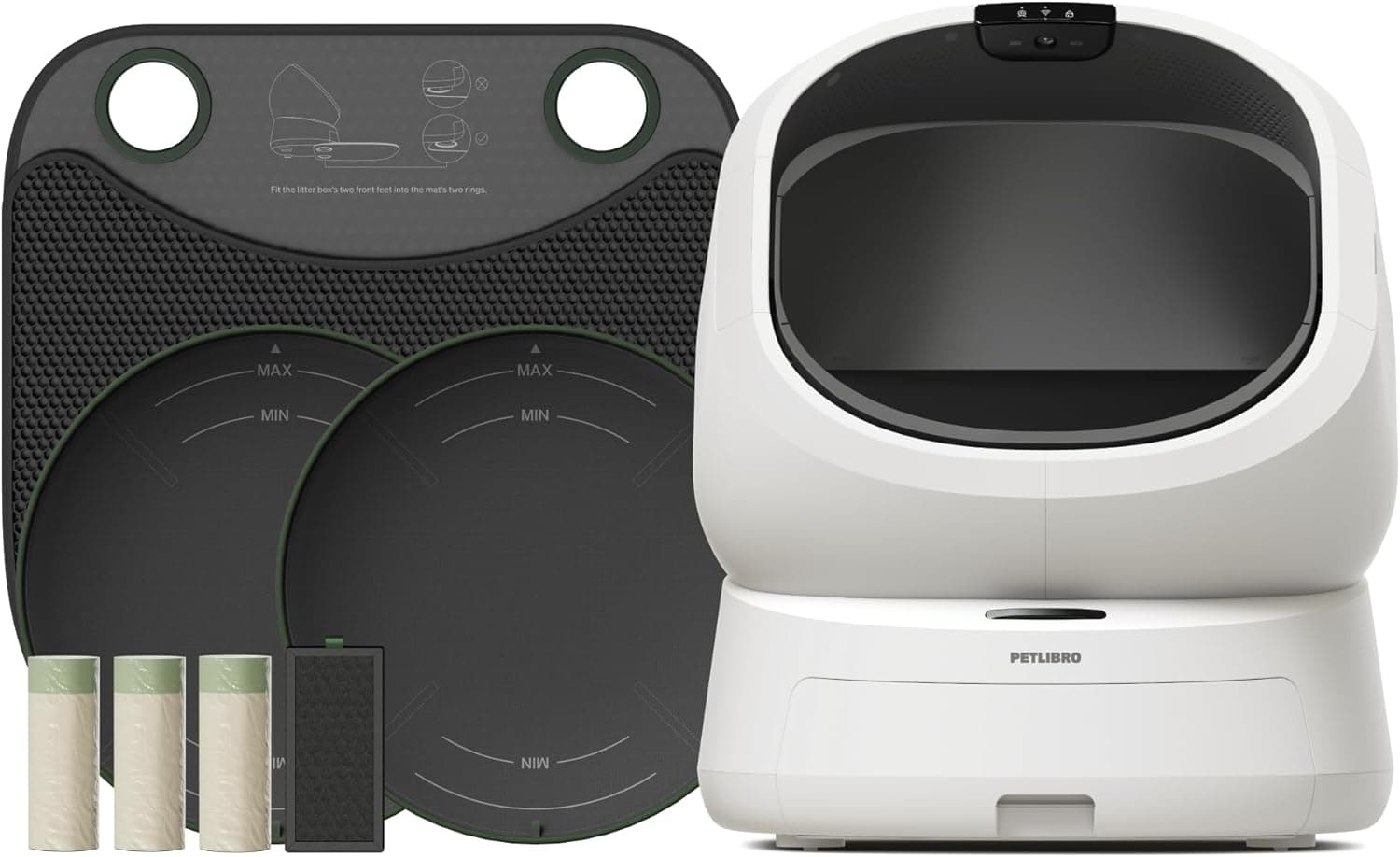
This guide explains how to transition your cat to an automatic litter box without forcing the change. If you are comparing models, review our automatic litter box cost comparison and consider an open-top design such as the PETLIBRO Luma Smart Litter Box, which may feel less enclosed to a hesitant cat. Product specifications and safety limits can vary, so always follow the manufacturer’s manual.
Before You Start: Make the New Box Easy to Accept
Start by identifying what your cat already likes. Note the current litter’s texture and scent, the box’s location, how much litter your cat uses, and whether easy entry matters. Avoid changing several variables at once. PetSafe recommends placing the automatic box beside the familiar box, using the same litter initially, and leaving the machine switched off while the cat investigates. The ASPCA likewise notes that cats may avoid boxes because of location, litter preference, size, access, or an uncomfortable cover.
Choose a quiet, accessible area away from food, water, washing machines, and places where a dog can corner your cat. In a multi-cat home, keep enough alternatives available; the ASPCA recommends one box per cat plus one extra. An open-top model can be useful for cats that dislike enclosed spaces. The PETLIBRO Luma Smart Litter Box has an open entry and includes a step, but check its size and litter requirements before buying. You can also compare current automatic litter box options on Amazon by entry style, footprint, and cleaning method.
A Low-Stress Transition Plan
Use this sequence rather than removing the old box on day one. First, set up the automatic box next to the existing box and leave its motor, lights, and automatic cycle off. Fill it with the litter your cat already accepts. After your cat has sniffed or stepped inside comfortably, add a small amount of used litter to transfer a familiar scent. Do not place your cat inside or hold them there; forcing contact can create a negative association.
Next, allow both boxes to remain available for at least several days. Praise calm exploration, but avoid hovering while your cat is eliminating. Once your cat uses the new box reliably, activate a manual cleaning cycle while your cat is elsewhere. Observe whether the sound or movement changes their behavior. If your cat remains comfortable, begin automatic cleaning with the longest practical delay and supervise the first few cycles. PetSafe and PETLIBRO both emphasize gradual introduction and keeping the old option during adjustment. For more detail, see our step-by-step automatic litter box training guide.
Why the Luma’s Open-Top Design May Help Hesitant Cats
A cat that dislikes covered boxes, tight corners, or sudden movement may find an open-top design easier to inspect and exit. The Luma’s manufacturer describes the unit as an open-entry box and recommends turning automatic cleaning off during the first few days, using familiar litter, and keeping the location consistent. Those features do not guarantee that every cat will accept it, but they address common transition objections: feeling trapped, hearing an unexpected cycle, and encountering an unfamiliar substrate.
The Luma is designed for adult cats from 2.2 to 22 pounds, according to PETLIBRO. Its manufacturer says kittens under six months, cats under 2.2 pounds, and pregnant or nursing cats should use manual cleaning mode rather than automatic cleaning. It also requires a hard, level surface and compatible clumping, tofu, or mixed litter; PETLIBRO says it is not intended for crystal, pine, grass-seed, cassava, or other incompatible litters. Confirm current specifications before purchase, and use the included step if your cat needs easier access. Read our guide to automatic litter boxes for small and senior cats before choosing a model.
What to Do If Your Cat Refuses the New Box
Do not punish, chase, or repeatedly place your cat in the automatic box. If your cat avoids it, switch the machine back to manual mode and restore the familiar setup. Check the simplest causes first: the litter may feel different, the box may be too close to a noisy appliance, the entrance may be difficult, or a dog may be watching the approach. Move the old and new boxes to a calmer location only if necessary, and make location changes gradually.
If accidents occur, clean them with an enzymatic pet-accident cleaner and keep the traditional box available. The ASPCA advises ruling out medical problems when a previously reliable cat begins eliminating outside the box. Straining, frequent attempts with little urine, blood, crying, or obvious pain warrants prompt veterinary attention; urinary problems can be serious. If your cat repeatedly avoids both boxes, pause the transition and contact your veterinarian or a qualified veterinary behavior professional. Once your cat has used the automatic box consistently for several days or longer, you can gradually reduce reliance on the old one—but keep a backup if your cat shows stress.
Frequently asked questions
▶How long does it take for a cat to accept an automatic litter box?
Some cats investigate quickly, while others need days or weeks. Keep the old box available, use familiar litter, and wait to activate automatic cleaning until your cat is comfortable entering and using the new box. Do not remove the old option on a fixed schedule if your cat is still reluctant.
▶Should I turn on the automatic cleaning cycle right away?
Usually, no. Start with automatic functions off so your cat can explore the box without unexpected noise or movement. After your cat uses it, test a manual cycle while the cat is away, then introduce automatic cleaning gradually according to the manufacturer’s instructions.
▶What if my cat is afraid of the automatic litter box?
Return to manual mode, keep the traditional box beside it, and make the environment quieter and more accessible. Use the same litter and a small amount of familiar used litter. Never force your cat into the box or punish avoidance.
▶Can kittens use the PETLIBRO Luma Smart Litter Box?
PETLIBRO states that Luma is designed for adult cats weighing 2.2 to 22 pounds. For kittens under six months or cats under 2.2 pounds, the manufacturer says to disable automatic cleaning and use manual cleaning mode. Check the current manual and ask your veterinarian if you are unsure.
▶When should I call a veterinarian during the transition?
Contact a veterinarian if your cat stops using the box, strains, makes repeated unsuccessful attempts to urinate, cries while eliminating, has blood in the urine, or shows other signs of pain or illness. A sudden change in litter habits should not automatically be assumed to be behavioral.