Cat Litter & Automatic Litter Boxes · 8 min read
Best Litter for the Neakasa M1 Plus: Clumping, Dust, and Setup Tips
Find the best litter for Neakasa M1 Plus. Compare clumping speed, particle size, dust, fill level, odor control, and transition tips.
Introduction
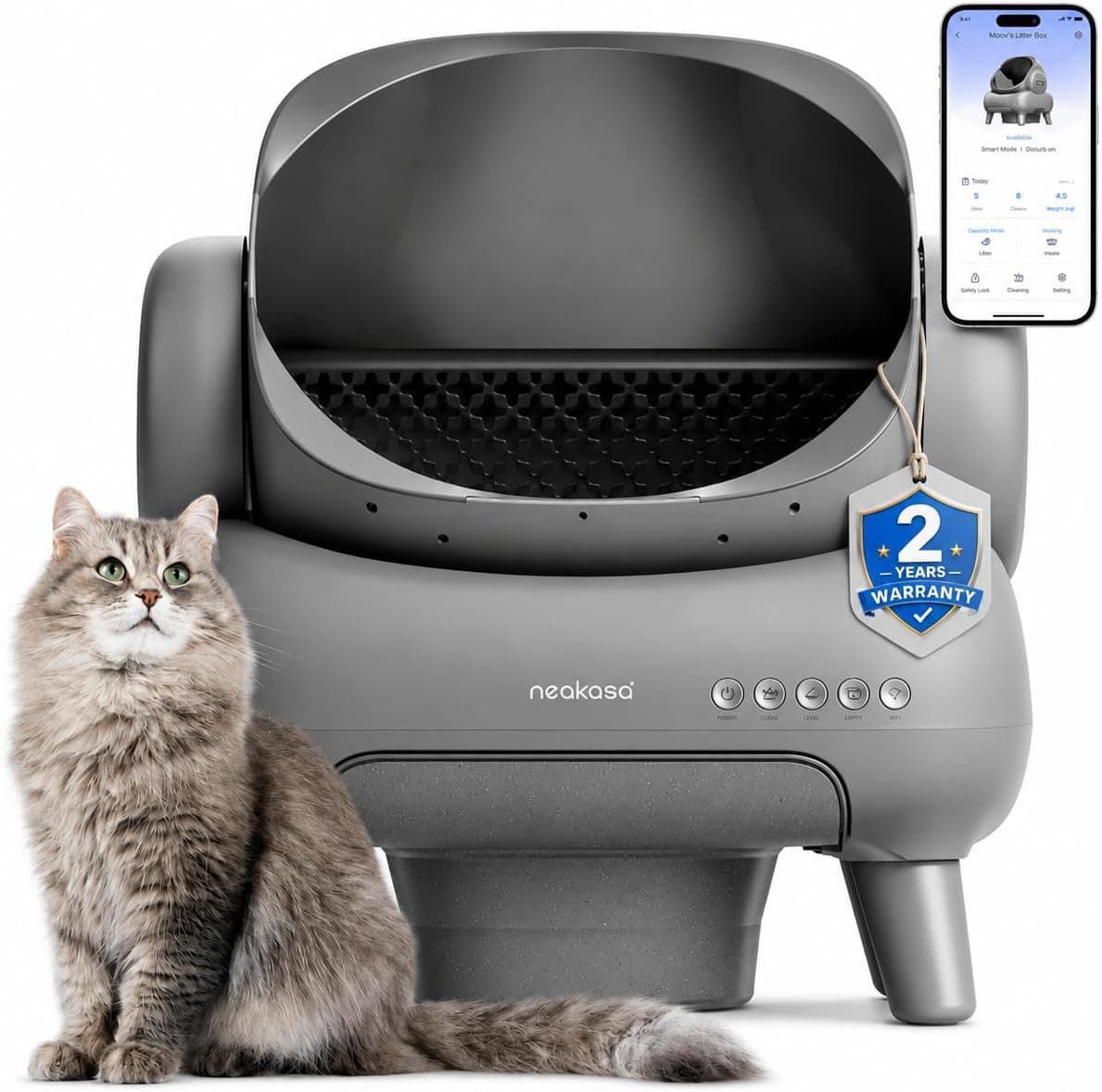
The best litter for Neakasa M1 Plus is not simply the one with the strongest odor-control label. The M1 Plus is designed around fast-clumping, scoopable litter with particles no larger than 3 mm in diameter and 10 mm in length, according to Neakasa’s current product guidance. Those details affect whether dirty clumps separate cleanly or smear, crumble, and send usable litter into the waste drawer.
For busy pet parents, the safest starting point is a fine-grained, fast-clumping bentonite or mineral litter that fits the manufacturer’s stated limits. If you are still choosing the machine, see our Neakasa M1 Plus product page; if you already own one, use the checklist below before buying a bulk case.
The Best Starting Choice: Fast-Clumping, Fine-Particle Litter
Neakasa says the M1 Plus works best with fast-clumping, scoopable litter and specifically recommends granular bentonite or mineral litter. That recommendation is practical: the box sifts clean litter away from formed waste, so a clump needs to become firm enough to survive the cleaning cycle. A loose or sticky clump can break apart, contaminate clean litter, or leave residue on the flexible base.
Start with an unscented or lightly scented fine-grain formula that clearly identifies itself as fast- or hard-clumping. “Low dust” is also a useful shopping filter because dusty litter can make refills messier and may build up around the box. Treat marketing terms such as “instant” or “99% dust-free” as claims to compare on the package, not as guarantees. For a direct compatibility-first option, Neakasa’s mineral litter on Amazon is the simplest place to begin, but a compatible third-party litter may work if it meets the same physical requirements.
Particle Size Matters More Than the Material Name
The M1 Plus filter is specified for particles up to 3 mm in diameter and 10 mm in length. That makes particle shape and size more important than labels such as “natural,” “premium,” or “lightweight.” Small, granular clay or mineral litter is the clearest match for the documented sifting design. Some crushed corn formulas may work in practice, but do not assume every plant-based litter is compatible; inspect the granules and confirm the product forms firm clumps.
Neakasa’s support center currently says the M1 supports bentonite and mineral litter but does not support tofu litter or mixed litter containing tofu. The same guidance recommends fast-clumping, non-long-strip granules. Because formulas can change, check the current manufacturer instructions before experimenting. Avoid wood pellets, newspaper litter, and non-clumping or loosely clumping products because they do not match the box’s stated operating requirements. Our automatic litter box litter guide explains how clay, tofu, and mixed options differ.
Fill Level, Cleaning Delay, and Odor Control
Even the right litter can perform poorly if the fill level is wrong. Neakasa says the first fill is about 5–6 kg and advises keeping the litter within the machine’s marked operating range rather than exceeding the MAX line. Follow the physical marking and the app’s current instructions; do not add extra litter to compensate for odor or a shallow-looking bed. Recheck the level after the machine has leveled the litter.
Fast clumping also depends on timing. Neakasa’s own litter guidance suggests a 5- or 10-minute cleaning delay so urine has time to form a firmer clump before rotation. Start with the longer delay if you see smearing, then adjust only after observing several cycles. Empty the waste drawer before it becomes difficult to close, and wipe accessible surfaces during routine maintenance. For a fuller cost-and-maintenance view, compare our automatic litter box cost guide.
How to Reduce Dust, Tracking, and Wasted Litter
The open-top M1 Plus can make access easier for many cats, but it also gives loose particles a direct route to the floor. A low-dust formula helps keep refills and nearby surfaces cleaner, while a large litter-trapping mat can catch particles as your cat exits. Place the mat where paws land, but leave enough clear space for a comfortable approach.
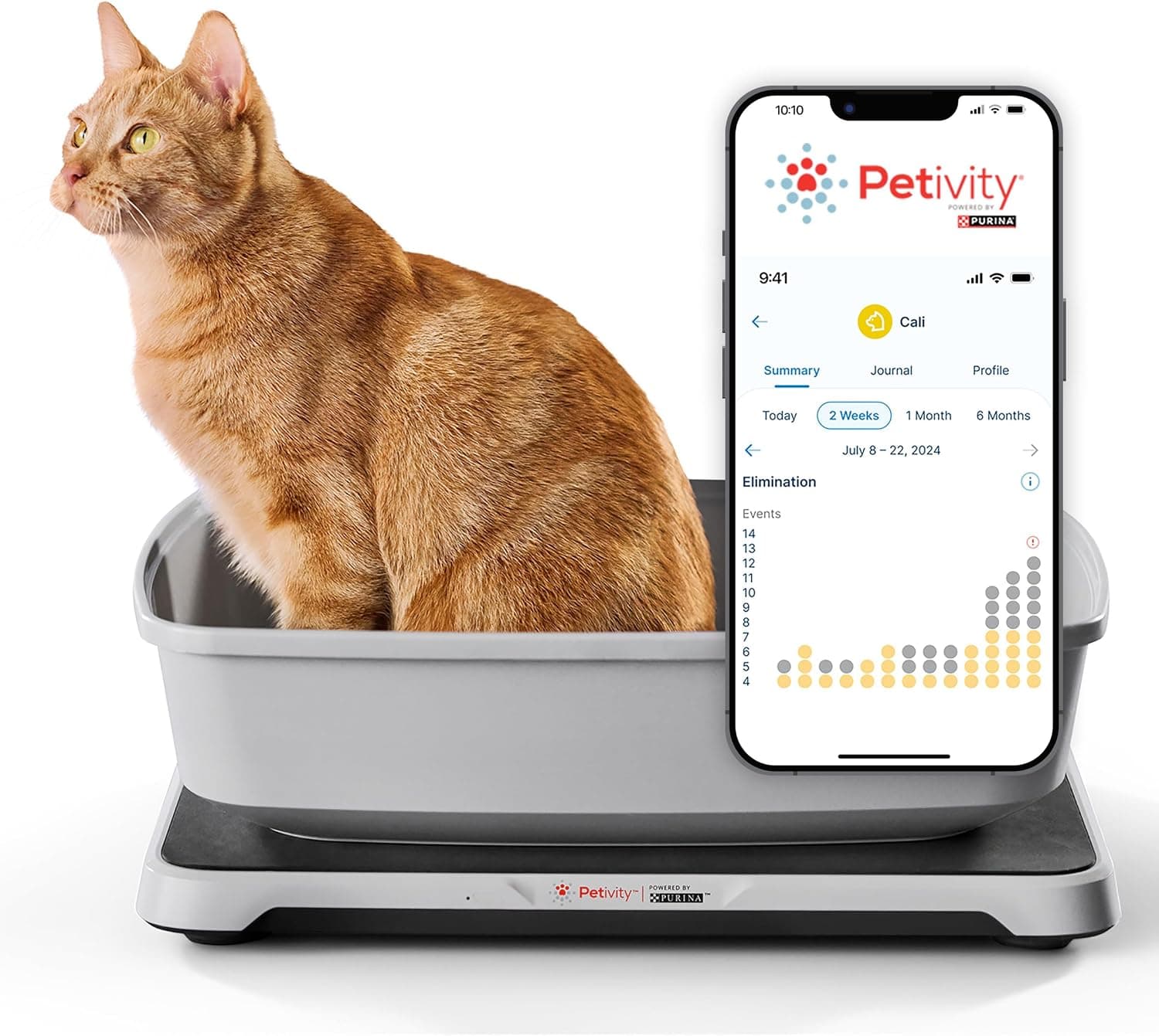
To reduce waste, pour slowly, keep the chamber within its marked range, and watch the first several cleaning cycles after a new litter is introduced. Look for clean litter dropping into the waste drawer, clumps breaking apart, or granules remaining on the sifting surface. If the box begins discarding too much clean litter, stop and check particle size, fill level, and calibration rather than simply adding more product. A Petivity Smart Litter Box Monitor may help owners notice changes in litter-box visits, but it does not replace cleaning or veterinary evaluation.
A Low-Stress Transition Plan for Your Cat
A compatible litter still has to be acceptable to your cat. Cornell’s feline health guidance notes that many cats prefer fine-textured, unscented litter and that sudden brand changes can contribute to litter-box aversion. Keep the old box available while introducing the M1 Plus, place the new box in a familiar location, and avoid changing the box, litter, and location all at once.
If your cat accepts the new box, transition gradually by mixing a small amount of the new litter with the old and increasing the proportion over several days. Purina describes a six-day transition approach that begins with roughly one-third new litter, but slow down if your cat hesitates. Neakasa also recommends using some familiar used litter and manually cleaning for the first few days while the cat learns the machine. If your cat suddenly stops using the box, strains, cries, or urinates elsewhere, contact a veterinarian rather than treating it as a product problem. See our step-by-step automatic litter box training guide.
Frequently asked questions
▶What is the best litter for Neakasa M1 Plus?
Begin with a fast-clumping, scoopable, fine-grained bentonite or mineral litter. Neakasa specifies particles up to 3 mm in diameter and 10 mm in length and recommends granular bentonite or mineral formulas.
▶Can you use tofu litter in the Neakasa M1 Plus?
Neakasa’s current support guidance says the M1 does not support tofu litter or mixed litter containing tofu. Because formulas and instructions can change, check the latest support documentation before testing a blend.
▶Can you use non-clumping litter in the Neakasa M1 Plus?
Neakasa says the M1 is compatible with clumping or scoopable litter and not with non-clumping or loosely clumping litter. Non-clumping products do not match the documented separation method.
▶How much litter should you put in a Neakasa M1 Plus?
Neakasa says the initial fill is about 5–6 kg and advises keeping the litter within the machine’s marked range, without exceeding the MAX line. Follow the markings and current app or manual instructions.
▶How do you stop the Neakasa M1 Plus from smearing clumps?
Check that the litter is fast-clumping, the fill level is correct, and the cleaning delay gives urine time to form a firm clump. Neakasa’s own guidance suggests trying a 5- or 10-minute delay. Also check for residue and recalibrate if needed.
▶What should you do if your cat refuses the new litter box?
Keep the old box available, introduce the new litter gradually, use a familiar location, and manually clean the automatic box at first. If your cat suddenly stops using the box, strains, cries, or eliminates elsewhere, contact a veterinarian.