Smart Pet Care · 8 min read
Do Automatic Litter Box Subscriptions Actually Pay Off?
Compare automatic litter box subscription costs for PETLIBRO, PETKIT, and Litter-Robot, including apps, consumables, and paid features.
Introduction
If you are a busy dog parent who also shares the house with a cat, an automatic litter box can remove one more daily chore—but subscription pricing can make the real cost hard to see. The important question is not simply whether an app has a paid tier. It is what remains free, what requires recurring payments, and how much you will spend on bags, filters, deodorizer, litter, and replacement parts.
The short answer: subscriptions are optional for the core cleaning function on the PETLIBRO Luma, PETKIT PuraMax 2, and Litter-Robot 4. The best value depends on whether you want basic usage alerts or deeper history, video, and health-oriented tracking. Before buying, compare the complete automatic litter box cost picture, not just the advertised device price.
What an automatic litter box subscription usually pays for
A subscription generally pays for cloud-based extras rather than the mechanical cleaning cycle. Depending on the model, those extras may include longer activity history, daily summaries, saved video, AI-generated analysis, or enhanced reports. They are useful for owners who travel, manage multiple cats, or want a searchable record of bathroom habits, but they are not automatically worth paying for.
The first buyer objection is understandable: will the box stop working if the subscription ends? For the products compared here, the manufacturers describe the paid services as optional. PETLIBRO says Luma works without Video Cloud AI and still provides visit logs, photos, times, durations, and important inactivity notifications. Whisker says previously included Litter-Robot features remain free without Whisker+. PETKIT describes PuraMax 2’s app as providing usage and weight monitoring, while its product comparison identifies Care+ as an upgrade for video history. For context, see our guide to monitoring cat health through litter box habits.
PETLIBRO Luma: the free tier is genuinely usable
PETLIBRO has the clearest no-subscription value proposition in this comparison. According to PETLIBRO, Luma can be used without Video Cloud AI, with a complete log of visits plus visit photos, exact times, durations, and an alert when there has been no toilet activity for 24 hours. The paid tier adds recorded visits, waste photos, highlight videos, advanced waste analysis, smart alerts, and a deeper dashboard.
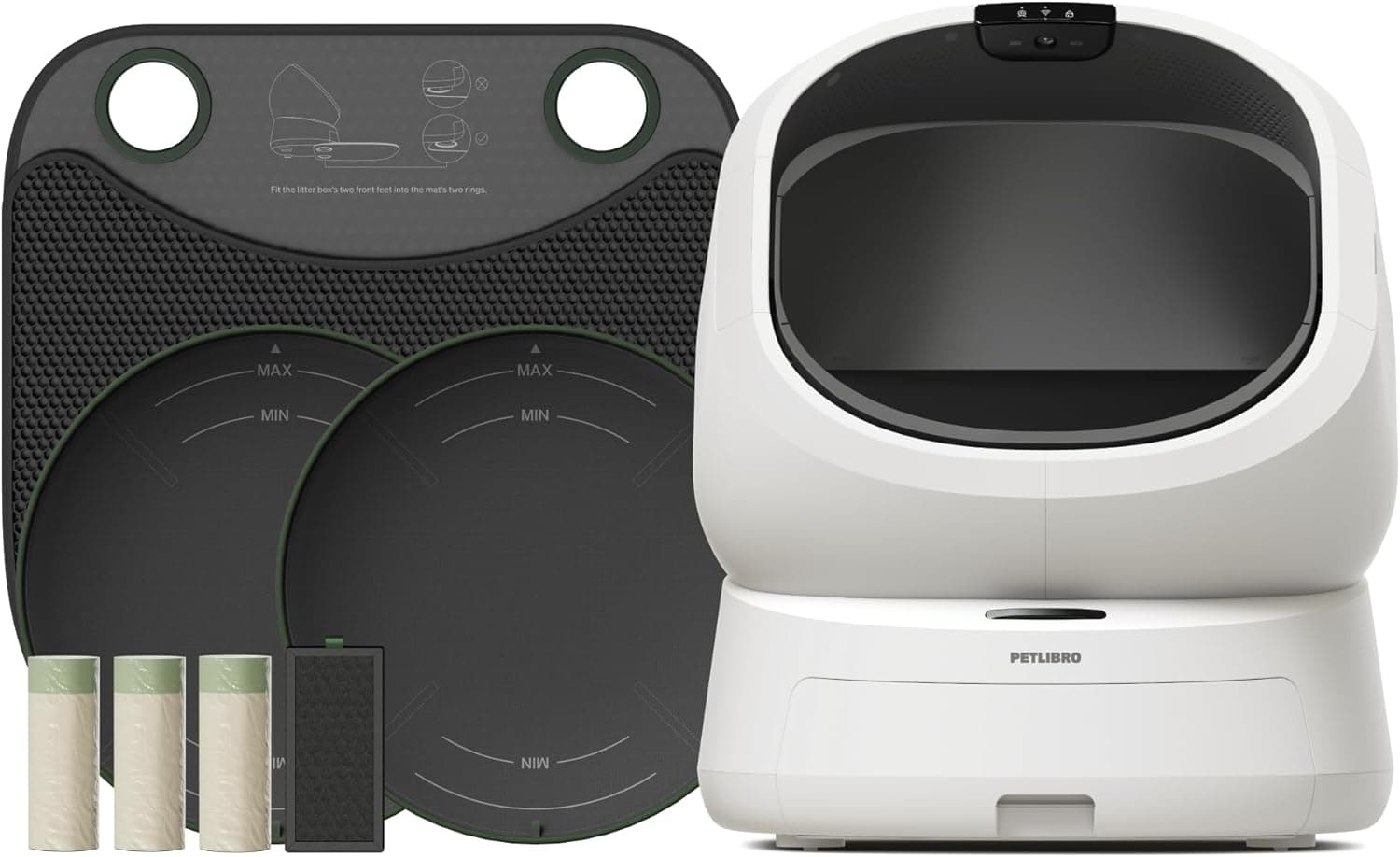
PETLIBRO currently lists annual Video Cloud AI plans at $95.99 for Standard, $135.99 for Premium, and $159.99 for Premium Family on its Luma shopping pages; prices and plan details can change, so confirm them at checkout. That is roughly $8.00, $11.33, and $13.33 per month when paid annually. The bigger recurring expense may be supplies: PETLIBRO recommends changing Luma’s carbon deodorizer every one to three months and says a single-cat waste liner may last seven to ten days. You can compare the PETLIBRO Luma with accessories before deciding whether the bundle fits your routine.
PETKIT PuraMax 2: useful app features without a required plan
PETKIT positions PuraMax 2 as an app-connected automatic litter box, not a device that requires a monthly membership to perform its basic job. The manufacturer says the app can send visit and full-bin notifications and visualize each cat’s litter-box usage and weight changes. PETKIT also says the unit continues operating according to preset settings if the network connection is lost, although app data will not update until the connection returns.
The paid-cost question is more complicated because PETKIT’s product comparison references PETKIT Care+ as the upgrade for 30-day video history, while the core PuraMax 2 page does not present a required recurring fee for ordinary cleaning, notifications, or usage monitoring. Treat Care+ as an optional add-on and verify the current price, availability, and included features in the PETKIT app before budgeting for it. The hardware page lists a 7-liter waste bin, a 1.5-to-10-kilogram recommended cat range, and a 35 dB operating claim. Read our PETKIT PuraMax 2 versus Litter-Robot comparison for fit and feature context.
Litter-Robot 4: the clearest paid insight tier
Litter-Robot 4 can operate without Whisker+, but Whisker’s current membership page makes the paid value easy to identify. Whisker+ is listed at $7.99 per month after a 30-day free trial, or $79.90 upfront for an annual membership. The service adds daily pet insights, bathroom-habit tracking, and access to up to two years of activity history. Compatible devices can share one membership, which may improve the value for households with more than one supported Whisker product.
Without the membership, Whisker says previously included SmartScale identification and weight tracking remain available. That makes the decision fairly simple: skip Whisker+ if you only want automated cleaning and basic included device features; consider it if long-term trends and summaries are worth about $80 to $96 per year. Separate recurring supplies still matter. Whisker recommends replacing Litter-Robot 4 carbon filters monthly for odor control, although the filters are not required for the machine to function. See our PETLIBRO Luma versus Litter-Robot 4 comparison before paying for premium insights.
The real total cost: subscription plus consumables
A fair comparison needs two budgets: the optional digital plan and the unavoidable maintenance budget. Start with litter, electricity, and cleaning supplies, then add liners, filters, deodorizer, or proprietary accessories according to your actual usage. Manufacturer replacement schedules are estimates, not guarantees: a single cat, two cats, litter type, humidity, odor settings, and waste volume can all change consumption.
For a simple Luma illustration, PETLIBRO lists waste liners at $19.99 per pack and says a single-cat liner may last seven to ten days. If that pack contains 40 liners, the liner-only estimate is about $73 to $104 per year before shipping and tax. PETLIBRO also lists a $19.99 carbon deodorizer and recommends replacement every one to three months, creating a broad filter estimate of about $80 to $240 annually. These are planning ranges, not promises. PuraMax 2 and Litter-Robot have their own bag, deodorizer, and filter costs. Check current automatic litter box supplies on Amazon, and confirm compatibility before substituting generic parts.
Who should pay for the subscription?
Paying for a plan makes the most sense when the extra information changes what you do. A frequent traveler may value longer history and remote video. A multi-cat household may appreciate individual activity summaries if the system can reliably distinguish the cats. An owner who only wants the box to cycle, reduce scooping, and send basic alerts may get little practical benefit from cloud storage or AI summaries.
For many households, the free tiers are the sensible starting point. Use the device for several weeks, learn which alerts you actually read, and check whether the included history answers your questions. Then activate a trial or monthly plan only if you have a specific use case. Do not treat app data as a diagnosis, and do not delay veterinary care because an app appears normal or flags a change. If you are still deciding whether automation suits your home, review how to transition a cat to an automatic litter box and keep a manual box available during the adjustment period.
Frequently asked questions
▶Do automatic litter boxes require a monthly subscription?
Not necessarily. PETLIBRO Luma, PETKIT PuraMax 2, and Litter-Robot 4 can perform their core cleaning functions without a required monthly plan. Subscriptions primarily add optional cloud history, video, reports, or enhanced insights.
▶Is the PETLIBRO Luma free tier worth using?
For many buyers, yes. PETLIBRO says the no-subscription tier includes visit logs, photos, times, durations, and important inactivity alerts. Paid Video Cloud AI adds recordings, waste photos, highlight videos, advanced analysis, and deeper dashboards.
▶How much does Whisker+ cost for Litter-Robot 4?
Whisker currently lists Whisker+ at $7.99 per month after a 30-day free trial, or $79.90 upfront for an annual membership. Confirm current pricing before purchase because plans and promotions may change.
▶What recurring costs should I budget for besides the subscription?
Budget for litter, waste liners or bags, carbon filters or deodorizers, cleaning supplies, and replacement parts when needed. Usage varies by cat count, litter type, waste volume, and the manufacturer’s recommended replacement schedule.
▶Can app data replace veterinary advice?
No. App logs and alerts can help you notice changes, but they are monitoring tools rather than a diagnosis. Contact a veterinarian when your cat shows concerning symptoms or a persistent change in eating, drinking, urination, stool, behavior, or activity.