Cat Health · 8 min read
How to Monitor Your Cat's Health Through Litter Box Habits
Learn what changes in cat litter box habits may mean, when straining is an emergency, and how smart litter boxes can help you track patterns.
Introduction
Your cat’s litter box is more than a chore: it is one of the easiest places to notice changes in bathroom habits. Frequency, urine output, stool consistency, and straining can all provide useful context, especially when you compare them with your cat’s normal routine. For practical setup and transition advice, see our guide to training a cat to use an automatic litter box.
What your cat’s normal routine can tell you
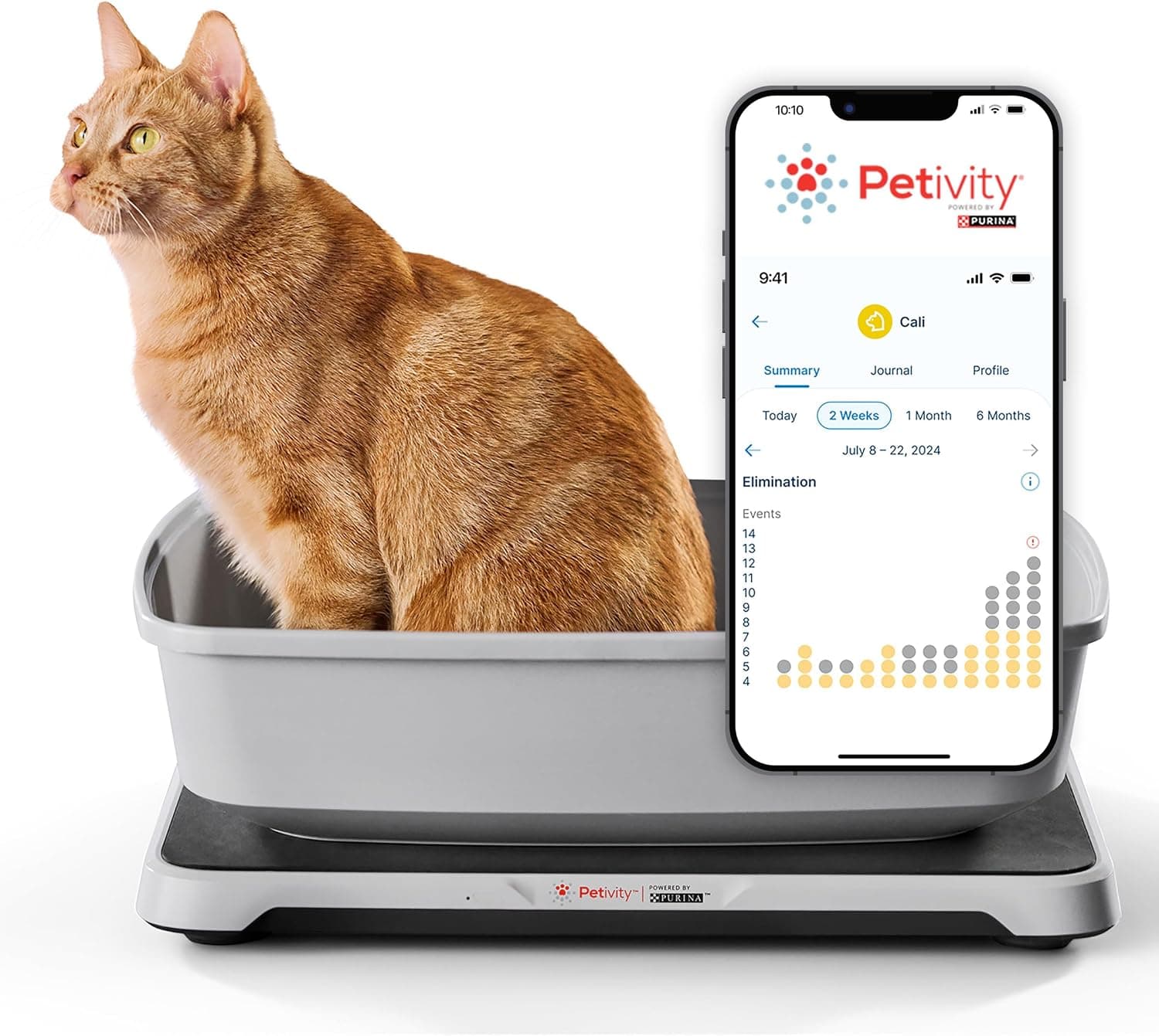
Cats often follow fairly consistent litter box patterns, so a sudden departure from your cat’s baseline deserves attention. Track how often your cat visits, whether urine clumps look noticeably larger or smaller, and whether stool is formed, unusually hard, loose, or watery. A single variation may reflect diet, stress, or a missed observation; a persistent or repeated change is more useful information for your veterinarian. Cornell notes that urinary-tract signs can include difficult or painful urination, increased frequency, vocalizing, blood in the urine, and urinating outside the box. Digestive problems can also change defecation frequency or make elimination uncomfortable. Do not diagnose from a litter box alone: the same visible pattern can have several causes. A simple notebook, phone note, or smart litter box monitor can help you record dates, output, and other symptoms to discuss at an appointment.
Frequency, urine output, and stool consistency
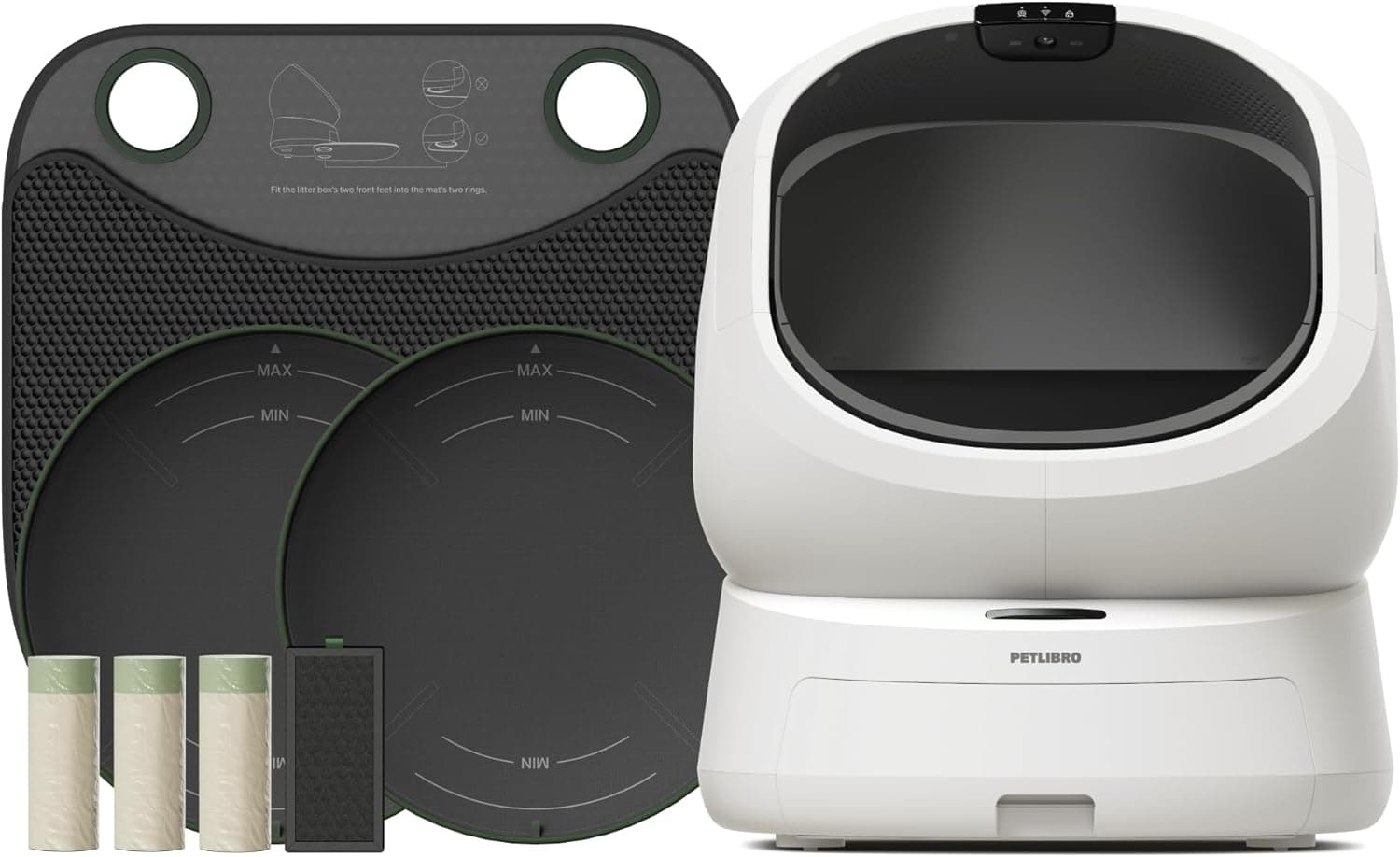
Look for changes rather than relying on one universal “normal” number. Increased trips with little urine, smaller-than-usual clumps, accidents, or repeated box visits may indicate urinary discomfort and should not be dismissed as bad behavior. Hard, dry stools or infrequent defecation can fit constipation, while watery or mucus- or blood-streaked stool can signal gastrointestinal illness. Cornell describes constipation as difficult or infrequent passage of hard, dry feces and advises veterinary assessment for persistent or severe problems; it also warns that prolonged diarrhea with poor appetite, lethargy, or vomiting needs prompt care. Note food changes, medications, water intake, stress, and which cat used the box in a multi-cat home. If you want automated comparisons, the PETLIBRO Luma Smart Litter Box logs visits and offers cat profiles, while its advanced waste analysis requires a subscription according to the manufacturer.
Why straining is a red-flag symptom
Straining is especially important because caregivers may mistake difficulty urinating for constipation. A cat that repeatedly enters the box, squats, vocalizes, licks the genital area, or produces little or no urine needs urgent veterinary guidance. Cornell identifies urethral obstruction as a true medical emergency, particularly because a blocked cat can deteriorate rapidly. If your cat is straining without producing urine, appears painful or increasingly distressed, vomits, becomes weak, or collapses, contact an emergency veterinarian immediately rather than waiting for an app alert or trying home remedies. Blood in urine, sudden accidents, or frequent unproductive trips also warrant prompt veterinary attention. A monitoring device can help you notice timing and output changes, but it cannot examine your cat, perform a urinalysis, or clear an obstruction. Save screenshots or visit logs for the clinic, and tell the veterinarian when the change began.
Can a self-cleaning litter box improve monitoring?
A self-cleaning litter box can make observation easier for busy pet parents because waste is removed automatically and app data can reveal trends that are easy to miss during a hectic week. The Luma manufacturer says the device recognizes up to 10 cats, records visit timing and duration, tracks weight and waste, and can alert you to 24 hours without activity. It is designed for adult cats from 2.2 to 22 pounds, must sit on a hard, level surface, and supports specified clumping, tofu, and mixed litters. Those limits matter: verify fit, litter compatibility, cleaning settings, return terms, and subscription features before buying. Independent Wirecutter testing also highlights the trade-offs of automatic boxes, including cost, maintenance, space, and interiors that may be smaller than expert recommendations. Compare self-cleaning litter box options and browse the Amazon automatic litter box category, but keep at least one familiar box available during transition.
Build a reliable litter box health routine
Technology works best alongside ordinary observation. Keep a baseline for each cat: typical visit pattern, urine-clump size, stool appearance, appetite, water intake, weight, and behavior. In multi-cat homes, use separate boxes or a system that can reliably identify users. AAHA recommends one box per cat plus one additional box, placed in accessible, quiet locations, and says boxes should be scooped daily and cleaned without strong chemicals. Keep boxes large enough for comfortable movement, and choose litter based on your cat’s preference and veterinary advice. Introduce an automatic box gradually beside the existing box; the manufacturer recommends using familiar litter, adding a small amount of used litter, and disabling automatic cleaning at first. Review trends weekly rather than reacting to every isolated data point. If your cat stops using the box, strains, shows pain, or has persistent stool changes, prioritize a veterinary examination over a product upgrade.
Frequently asked questions
▶How often should I monitor my cat’s litter box?
Check the box daily and watch for changes from your cat’s usual pattern. In multi-cat homes, identify which cat used the box when possible. Record unusual frequency, output, stool consistency, accidents, or straining.
▶Is straining in the litter box always an emergency?
Straining can have several causes, but straining with little or no urine is an emergency concern because urinary obstruction can be life-threatening. Contact a veterinarian promptly, and seek emergency care if your cat is distressed, painful, vomiting, weak, or unable to pass urine.
▶Can a smart litter box diagnose cat illness?
No. Smart litter boxes can organize observations such as visits, weight, or waste patterns, but they cannot diagnose disease or replace a physical examination and veterinary testing.
▶Should I keep a regular litter box after buying a self-cleaning model?
Yes, especially during transition. Introduce the new box gradually, keep the familiar box available, and follow the manufacturer’s safety and acclimation instructions. Some cats may prefer a conventional box or need more than one option.