Pet Tech · 8 min read
Do GPS Dog Collars Actually Work? Real Owner Stories and Data
Wondering if GPS dog collars actually work? Real recovery stories, testing data, and honest limitations to help you decide before you buy.
Introduction
If you've ever watched your dog bolt through an open gate, you know the stomach-dropping panic that follows. A national ASPCA survey found that 14% of dog owners lost a dog in a five-year period — and while 93% of those dogs were eventually recovered, the search process often involved hours of frantic neighborhood canvassing. GPS dog collars promise to shrink that window from days to minutes. But do GPS dog collars work reliably enough to trust with your dog's safety?
The short answer: yes, for most everyday scenarios — but with real limitations every owner should understand. In this article, we'll walk through verified recovery stories, independent testing data, and honest drawbacks so you can make an informed decision. If you're exploring the broader world of pet safety tech, GPS collars are one of the fastest-growing categories for good reason.
How GPS Dog Collars Actually Work
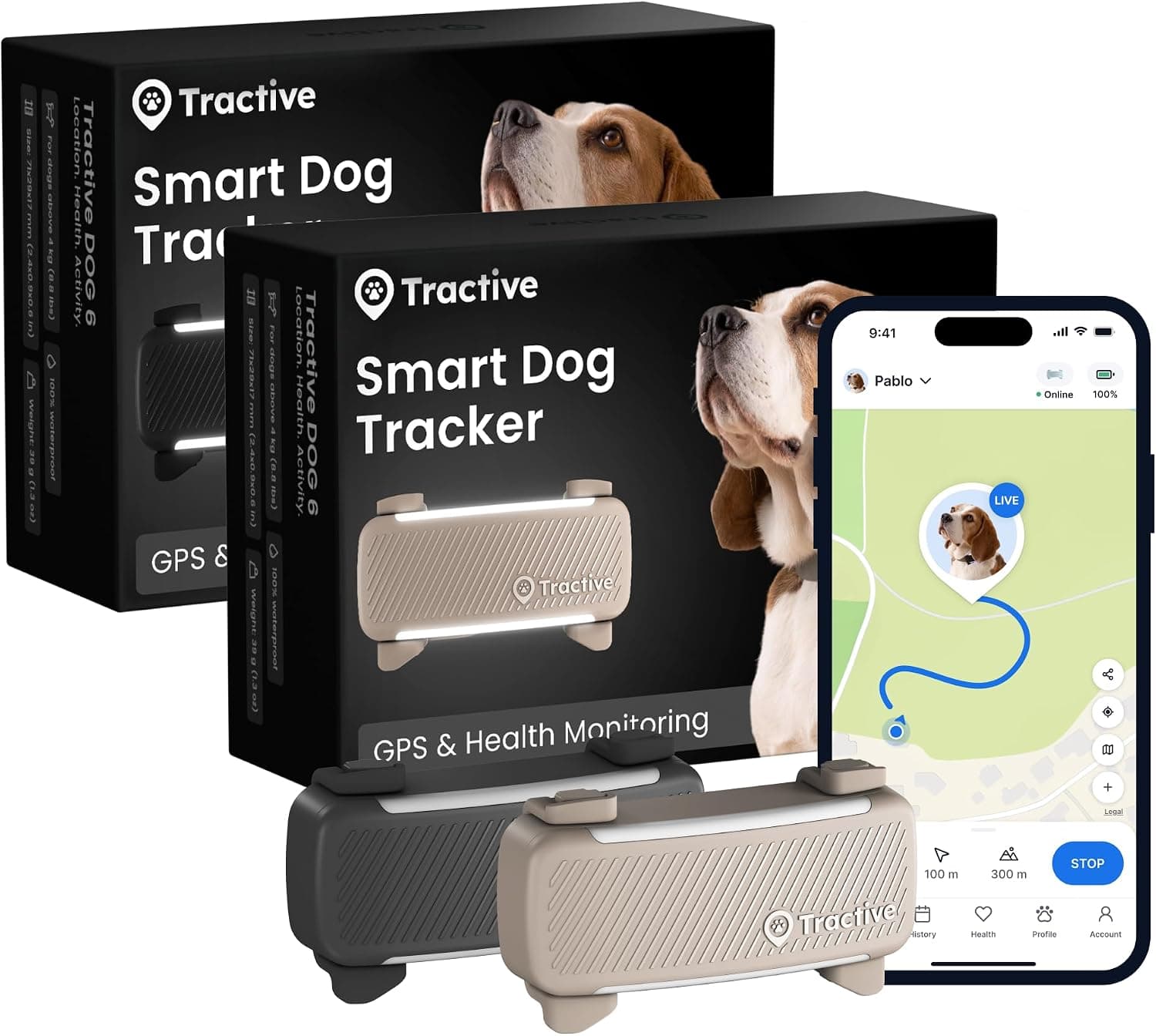
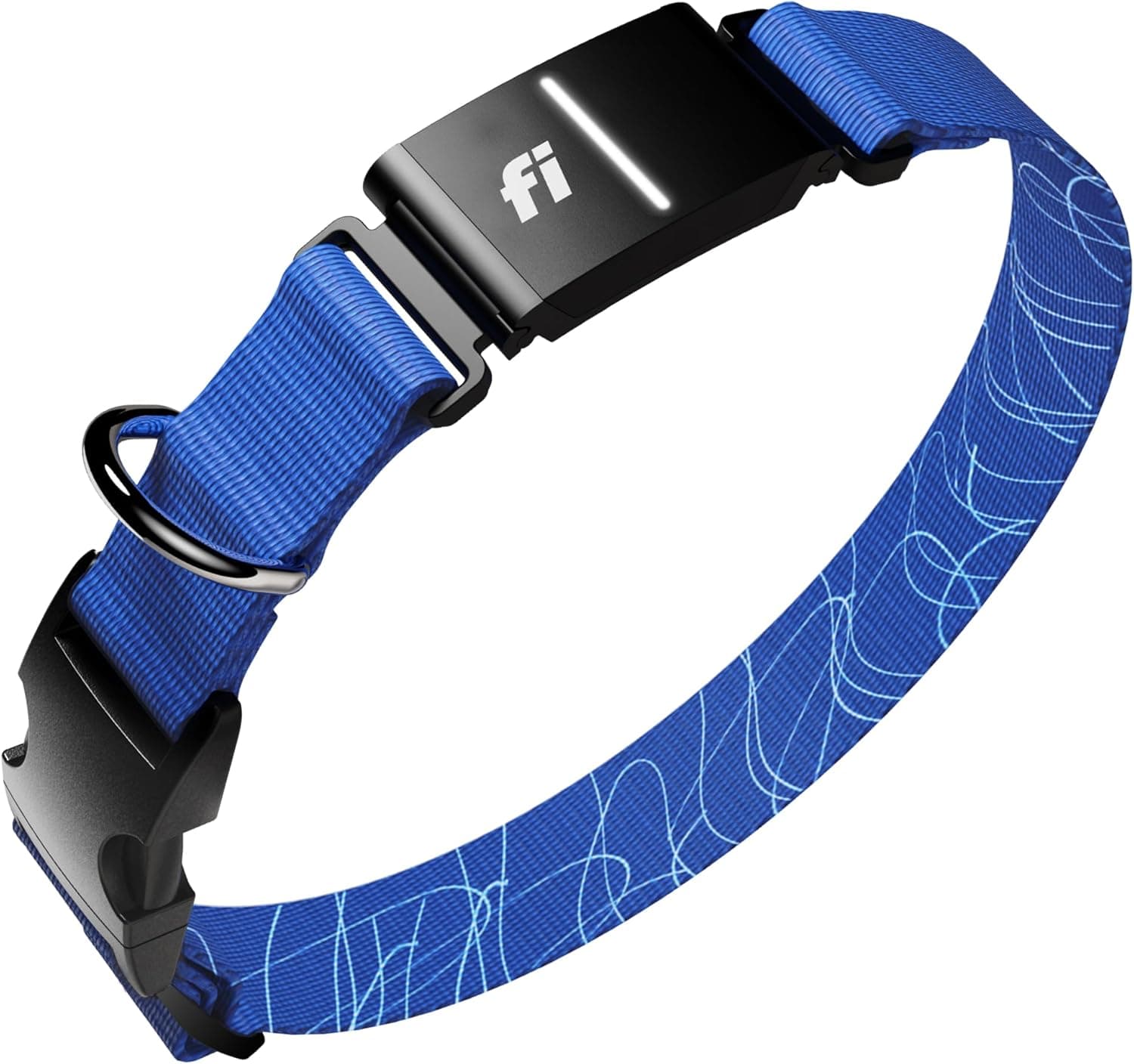
Most consumer GPS dog collars combine three technologies: GPS satellites for location, cellular networks (typically LTE-M) for transmitting that location to your phone, and a companion app for real-time tracking. Think of it as a tiny smartphone strapped to your dog's neck — but with a much smaller antenna and battery. According to GPS.gov, GPS-enabled smartphones are typically accurate to within 4.9 meters (about 16 feet) under open sky, and accuracy worsens near buildings, bridges, and trees due to signal reflection (called "multipath interference"). Pet collars face the same physics, often with less powerful hardware. When your dog is outdoors with a clear view of the sky, tracking is generally reliable. When they duck under a porch or into a garage, the collar may fall back to Wi-Fi positioning or cell tower triangulation, which is far less precise. Leading options like the Fi Series 3+ Smart Dog Tracker Collar use AT&T's LTE-M network, while competitors like the Tractive Smart Dog GPS Tracker connect to multiple carriers for broader coverage. Understanding these fundamentals helps set realistic expectations before you invest.
Real Owner Stories: When GPS Collars Saved the Day
The most compelling evidence for GPS collars comes from real recovery stories. In one widely reported case covered by Holidog Times, a Turkish Kangal named Ziva was swept away by flash floods on a Texas ranch on July 4th. Her owner, 1,500 miles away in Colorado, tracked Ziva's GPS signal live and guided ground rescuers to her location. After 16 hours trapped in a flooded gully, Ziva was pulled out alive — the owner credited the GPS collar as "the only reason we found her in time." In another story documented by Tractive, a Husky-Akita mix named Anakin fell into a mountain ravine in Italy. His owners used the tracker app to pinpoint his location overnight, shared coordinates with a helicopter rescue team the next morning, and recovered him after 24 hours in the snow — with the tracker still showing 50% battery. Multiple owners reporting to tracker brands describe recovery times under an hour when escape alerts triggered immediately. These stories share a common thread: the GPS collar didn't prevent the escape, but it dramatically compressed the recovery window. For dogs that bolt during fireworks, slip leashes on hikes, or wander due to cognitive decline, that time savings can be the difference between a safe return and a tragic outcome. If you're building a comprehensive 24-hour smart pet care framework, a GPS collar is often the foundation layer.
What Independent Testing Data Reveals About Accuracy
The most thorough independent test comes from Wirecutter, which tested 11 GPS pet trackers over several months of real-world outings. Their findings: the Fi Series 3+ and Tractive GPS for Dogs were the most accurate and reliable options. During live tracking (the mode activated when a dog goes missing), both trackers were typically off by only a few yards. The Fi Series 3+ activated live tracking in an average of 27 seconds — a nearly 30% improvement over the previous generation's 38 seconds. Tractive connected slightly faster at 14 seconds on average. However, Wirecutter noted that escape alerts were never truly instant — the fastest alerts arrived about a minute after a dog crossed the geofence boundary. A separate accuracy benchmark from The Tech Influencer tested five collars across indoor and outdoor environments and found the Fi Series 3 averaged about 7 feet of outdoor error and 22 feet indoors, where concrete and metal cause signal reflections. These results align with GPS.gov's guidance that consumer GPS accuracy degrades significantly near buildings and under cover. The takeaway: GPS collars are accurate enough to guide you to your dog's general location quickly, but they won't always pinpoint the exact bush they're hiding under.
Honest Limitations: Where GPS Collars Fall Short
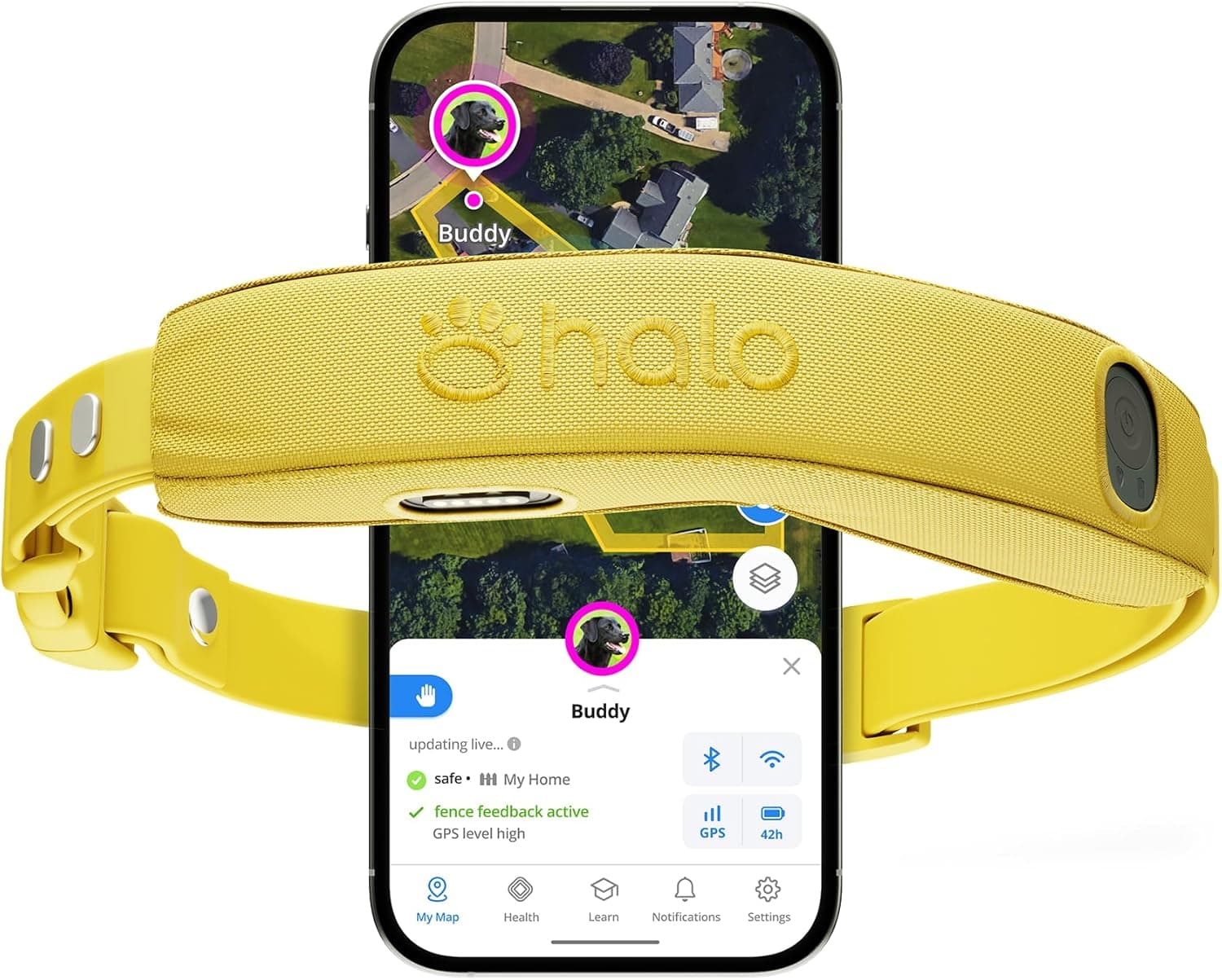
No GPS collar is perfect, and understanding the limitations is just as important as knowing the strengths. First, most collars require a cellular subscription — the Fi Series 3+ uses AT&T's LTE-M network only, meaning if you live or hike in an area with poor AT&T coverage, tracking may be delayed or unavailable. Tractive mitigates this by connecting to multiple carriers, but still depends on some cellular signal. Second, battery life claims don't always match reality. Fi advertises up to three months per charge, but multiple long-term reviewers report 4–8 weeks with regular walking and activity tracking. Battery drains faster in areas with weak signal, as the device works harder to maintain a connection. Third, escape alerts have inherent latency — the collar must wake up, get a GPS fix, determine it's outside the safe zone, and push a notification through cellular networks. Wirecutter found this takes at least a minute, sometimes longer. Fourth, some Fi owners report a rattling or clicking noise from the collar's magnetic attachment during movement, which can be annoying (though fixable with an O-ring or tape). Finally, GPS collars are recovery tools, not containment systems — they tell you where your dog is after they've already escaped. If you need active boundary enforcement, explore options like the Halo Collar 5 Wireless Dog Fence instead. For owners dealing with escape triggers like separation anxiety, pairing a GPS collar with a pet camera designed for anxious dogs adds another layer of monitoring.
Is a GPS Collar Worth It for Your Dog?
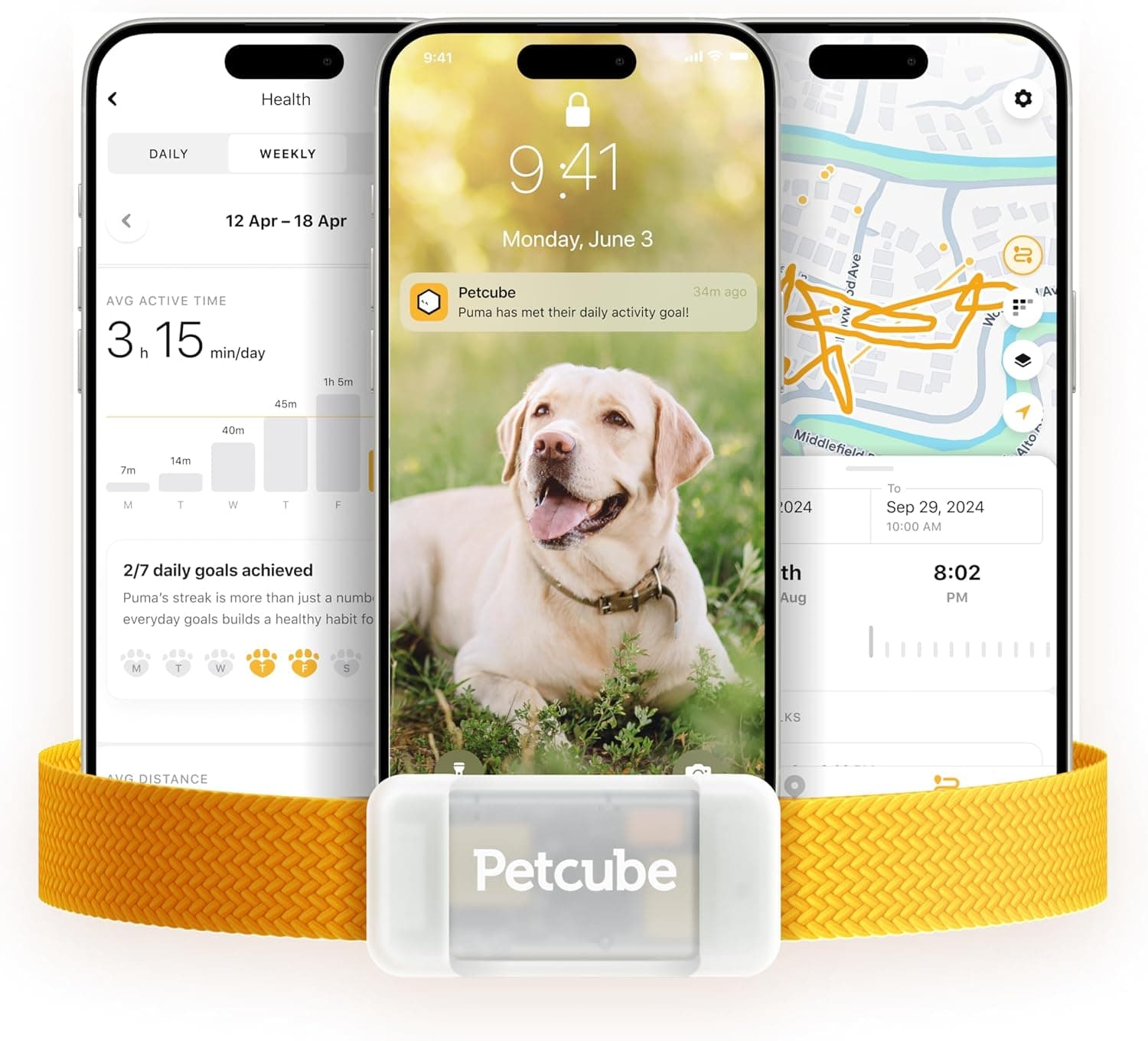
For most dog owners, the answer is yes — with the right expectations. The ASPCA's data shows that 7% of lost dogs are never recovered. GPS collars won't prevent escapes, but they give you a tool to act within the critical first hour, when recovery odds are highest. The Fi Series 3+ stands out for its integrated collar design, long battery life (even if not quite the advertised three months), and AI-powered behavior tracking that monitors barking, scratching, and licking patterns. At $189 with a 12-month membership included on Amazon, it's a premium investment — but the cost is modest compared to the emotional and financial toll of a prolonged search. You can also browse the full pet location trackers category on Amazon to compare options. Before buying, check cellular coverage in your area, consider your dog's size and comfort, and test the lost-dog mode once setup is complete. If you already use a Petcube GPS Tracker for Dogs or are comparing alternatives, the key question isn't whether GPS collars work — it's whether you understand their limitations well enough to rely on them when it matters most.
Frequently asked questions
▶Do GPS dog collars work without cell service?
Most consumer GPS dog collars require cellular service to transmit location data to your phone. The Fi Series 3+ uses AT&T's LTE-M network, while Tractive connects to multiple carriers. In areas without cell coverage, live tracking may be delayed or unavailable. Some specialized collars (like certain Garmin models) use direct satellite-to-handheld communication and work off-grid, but these are typically more expensive and designed for hunting dogs.
▶How accurate are GPS dog collars?
Independent testing by Wirecutter found that top trackers like the Fi Series 3+ and Tractive were typically off by only a few yards during live tracking outdoors. GPS.gov notes that consumer GPS devices are generally accurate to within 16 feet under open sky, but accuracy degrades near buildings, trees, and indoors. Most collars fall back to Wi-Fi or cell tower positioning when GPS signal is blocked, which is less precise.
▶How long does the Fi Series 3+ battery last?
Fi advertises up to three months on a single charge. However, multiple long-term reviewers report real-world battery life of 4–8 weeks with regular walking and activity tracking. Battery drains faster in areas with weak cellular signal, as the device works harder to maintain a connection. The collar sends low-battery alerts through the app.
▶Do GPS dog collars require a subscription?
Yes, nearly all GPS dog collars require an active subscription to cover the cost of cellular data transmission. The Fi Series 3+ includes a 12-month membership with purchase on Amazon ($189), after which renewal is needed. Tractive requires a minimum one-year prepaid commitment. Subscription costs typically range from $3–$20 per month depending on the plan length.
▶Can a GPS collar help find a stolen dog?
Yes. There are documented cases where owners used live GPS tracking to lead police to a stolen dog's location. However, a thief who recognizes and removes the collar can disable tracking. GPS collars are most effective as a recovery tool for lost dogs rather than a theft-prevention system.
▶Are GPS collars safe for dogs to wear all the time?
Most modern GPS collars are designed for continuous wear. The Fi Series 3+ is rated IP68/66K for water resistance and built with a stainless steel frame. However, some owners report a rattling noise from the collar's magnetic attachment. As with any collar, ensure proper fit using the two-finger rule and check for skin irritation regularly.